
Why Finland Has Been the Happiest Country in the World for Nine Years in a Row
06/04/2026
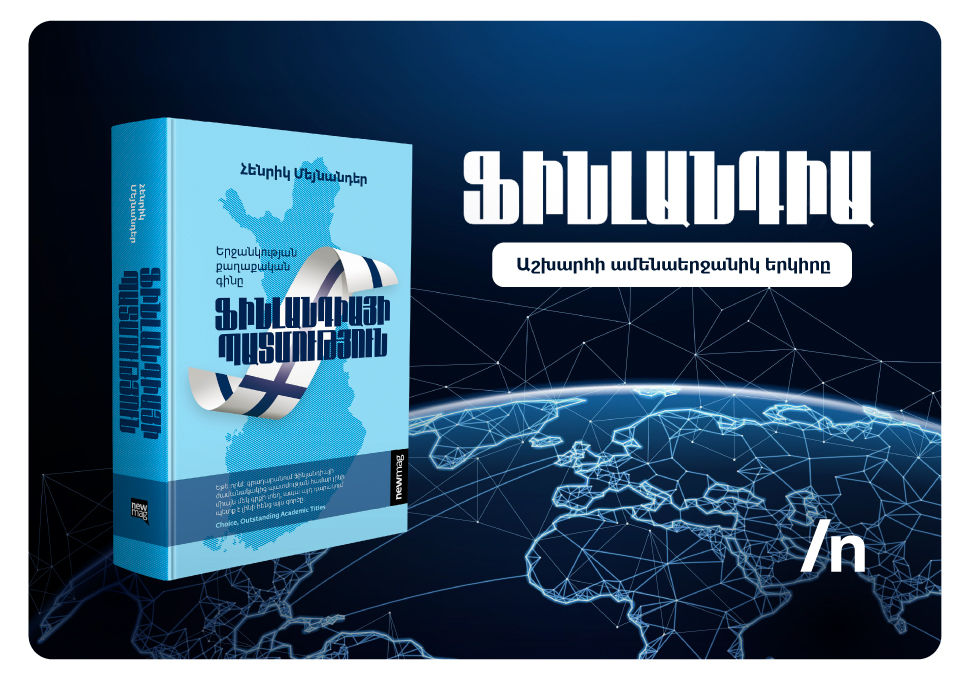
Finland has once again been named the happiest country in the world. According to the World Happiness Report 2026, the Nordic country ranks first globally for the ninth consecutive year. Behind this impressive achievement lies a story that goes far beyond statistics and rankings.
Happiness Is More Than Wealth
Finland's success is rarely explained by economic indicators alone. While prosperity plays a role, researchers consistently point to other factors: trust in institutions, social equality, quality education, a strong welfare system, connection to nature, and a healthy work-life balance.
According to the World Happiness Report, Finland and other Nordic countries continue to perform exceptionally well thanks to high levels of social trust, equitable distribution of resources, strong public services, and long healthy life expectancy.
These values did not emerge overnight. As Henrik Meinander demonstrates in “History of Finland”, they are the result of decades of nation-building, difficult political choices, social reforms, and a persistent effort to strengthen democratic institutions.
Happiness as a Way of Life
One of the most striking themes in this year's happiness report is the growing concern about digital overload and its impact on well-being.
Researchers note that excessive social media use, endless scrolling, constant notifications, and online comparison culture can negatively affect mental health, especially among younger generations.
The Finnish response is surprisingly simple: slow down.
Nature, lakes, forests, saunas, seasonal living, meaningful social connections, and time away from screens are deeply embedded in Finnish culture. What many people consider an occasional escape has become a way of life.
"Chill Like a Finn"
This philosophy is reflected in Finland's international tourism initiative, "Chill Like a Finn." The program invites participants from around the world to experience the Finnish lifestyle firsthand through a week of relaxation in the country's lake region.
Instead of a packed tourist itinerary, participants are encouraged to embrace simplicity: stay in a lakeside cottage, enjoy a sauna, swim in natural waters, spend time outdoors, eat local food, and disconnect from their phones.
The message is clear: happiness is often found not in doing more, but in slowing down enough to appreciate everyday moments.
Why Finland's Story Matters
Finland is often discussed through headlines about happiness rankings, education systems, or social trust. Yet these achievements become far more meaningful when viewed through their historical context.
History of Finland reveals how a small nation, shaped by foreign rule, wars, independence struggles, and social transformation, gradually built the institutions and values that define it today.
The book shows that Finland's success is not accidental. It is rooted in long-term thinking, civic responsibility, investment in education, and a strong sense of collective purpose.
For anyone interested in how societies become more resilient, prosperous, and humane, Henrik Meinander's “History of Finland” offers a fascinating and timely perspective. Through the story of Finland, readers can better understand how trust, social solidarity, and responsible governance contribute not only to stability, but also to happiness.
Share


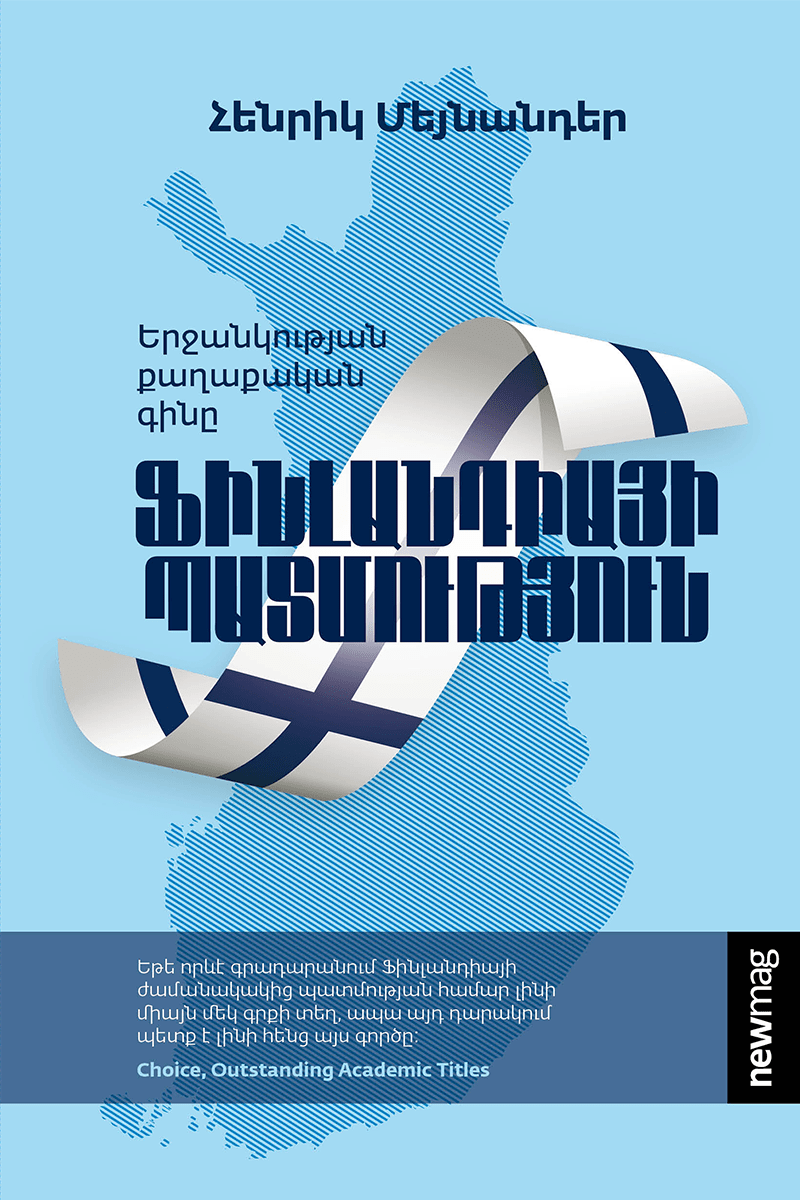
Henrik Meinander
5800 ֏
Description
Henrik Meinander tells the entire history of Finland in an accessible way, explaining how the country and the people came to be, how the Finnish identity was formed in the context of world history.
The book reveals the secret of the Finnish miracle. How did a Swedish province become an autonomous Russian duchy, at the center of the conflict between the West and the East, survive in the 20th century and become one of the world's technological leaders?
Specially for the Armenian translation, the author completed the last chapter of the book, presenting the great historical event for Finland in 2023: becoming a member of NATO.
Read also