
“In the Land of Arto”: A Film That Is Difficult to Talk About, but Impossible to Forget
08/07/2026
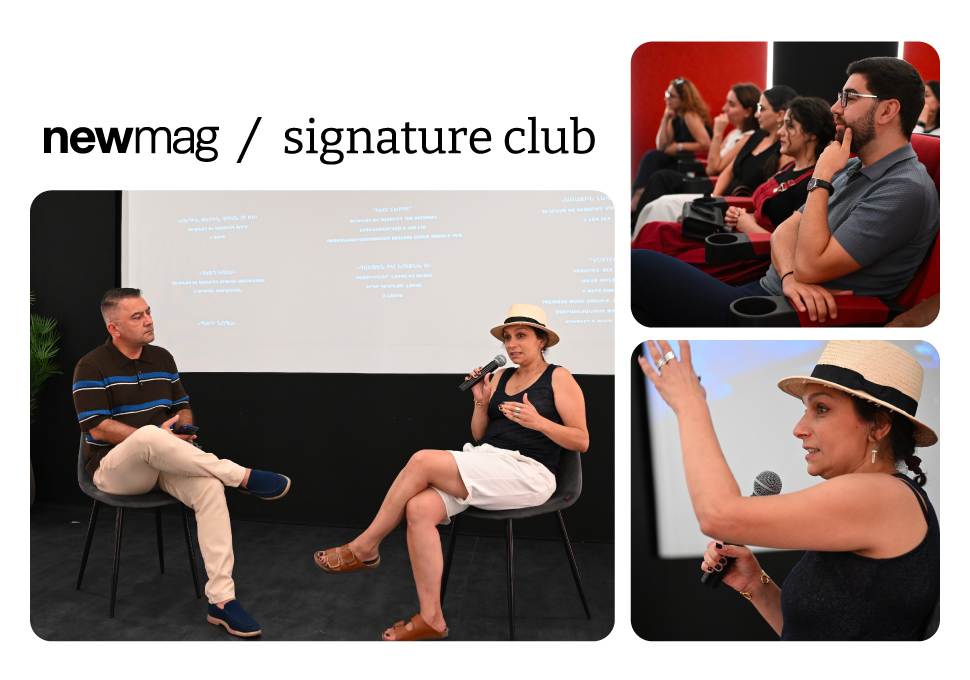
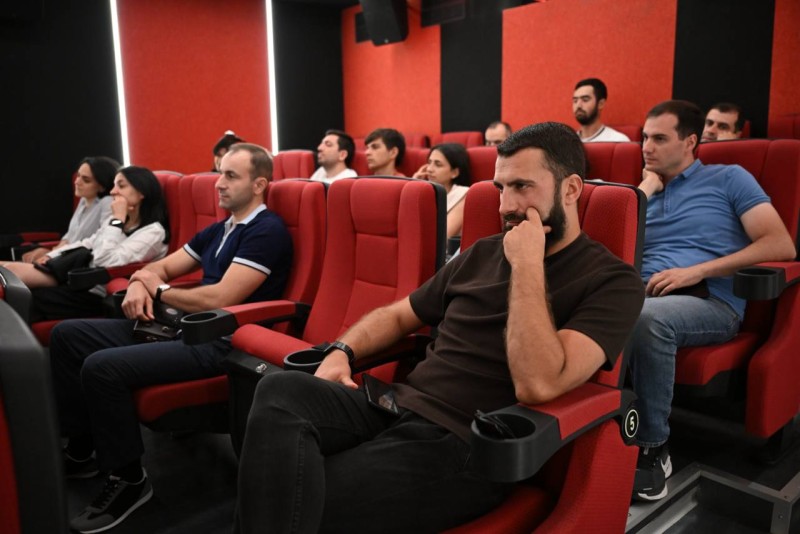
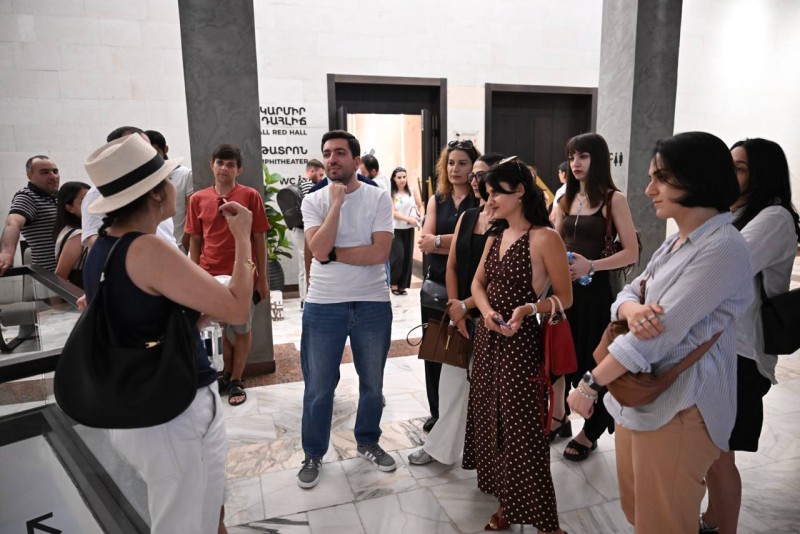
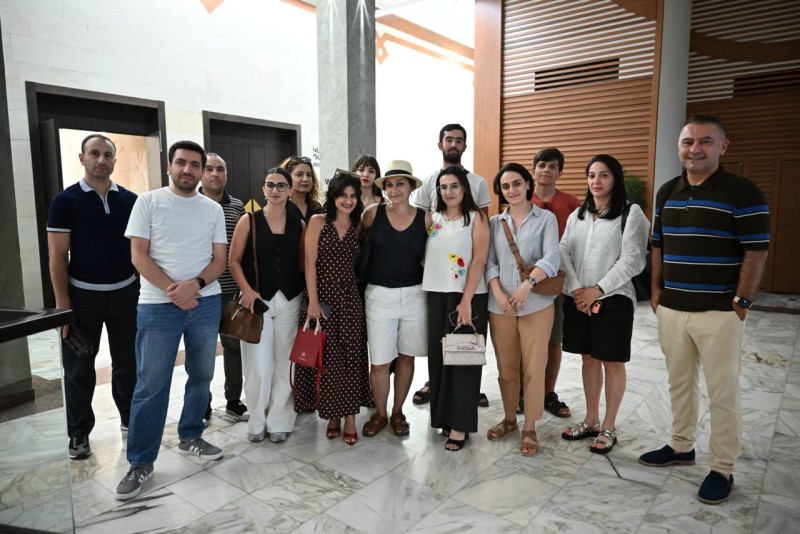
Newmag Signature Club members had the opportunity to attend a special screening of “In the Land of Arto” at Kinomoskva, organized exclusively for the club. The film had its world premiere at the prestigious Locarno Film Festival in 2025 and this year opened the Golden Apricot International Film Festival.
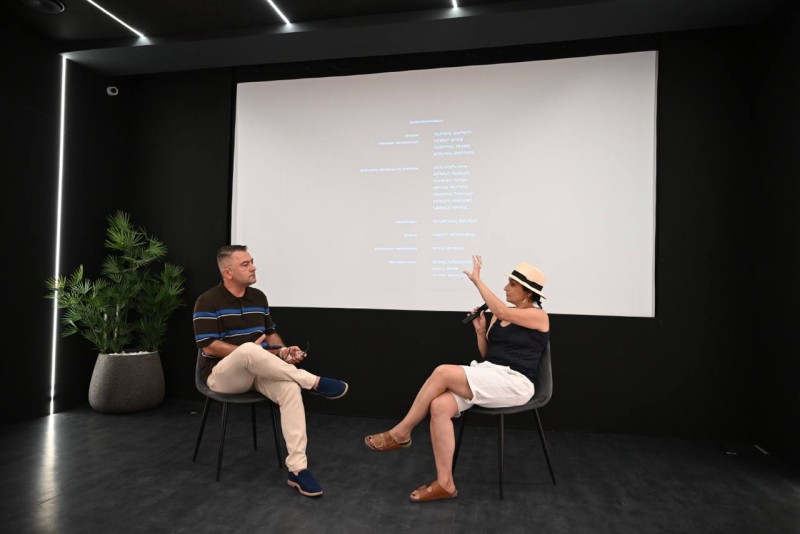
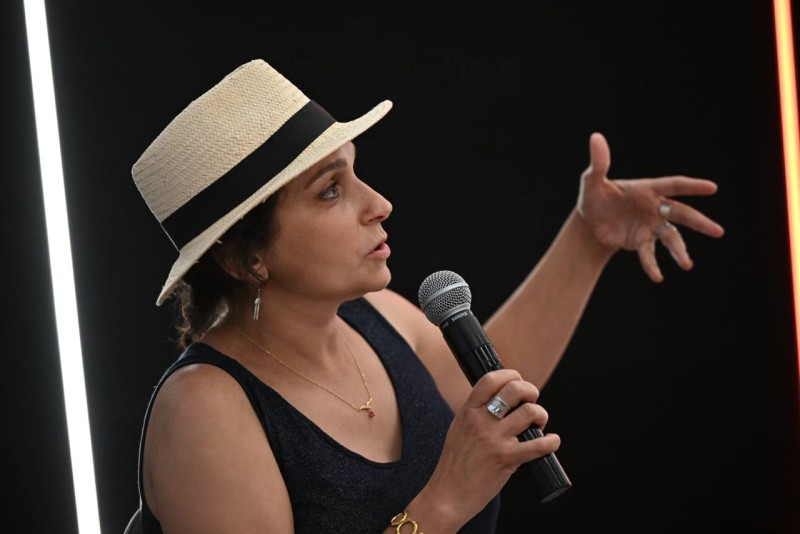
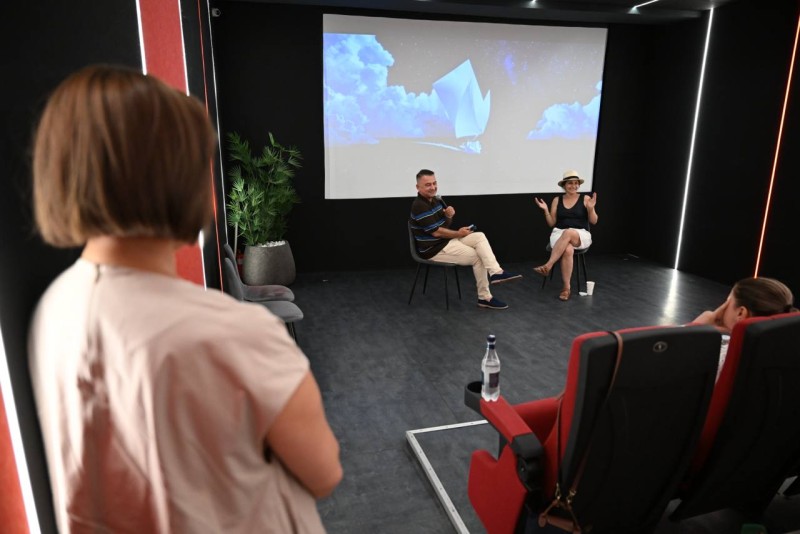
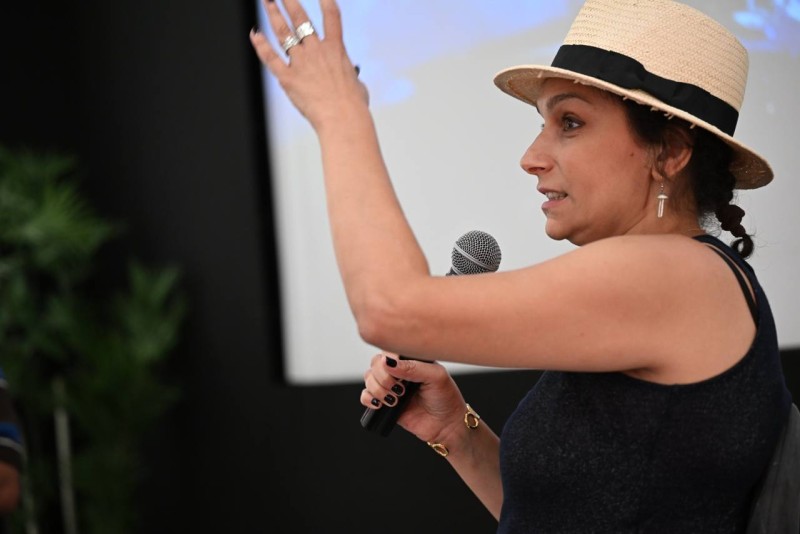
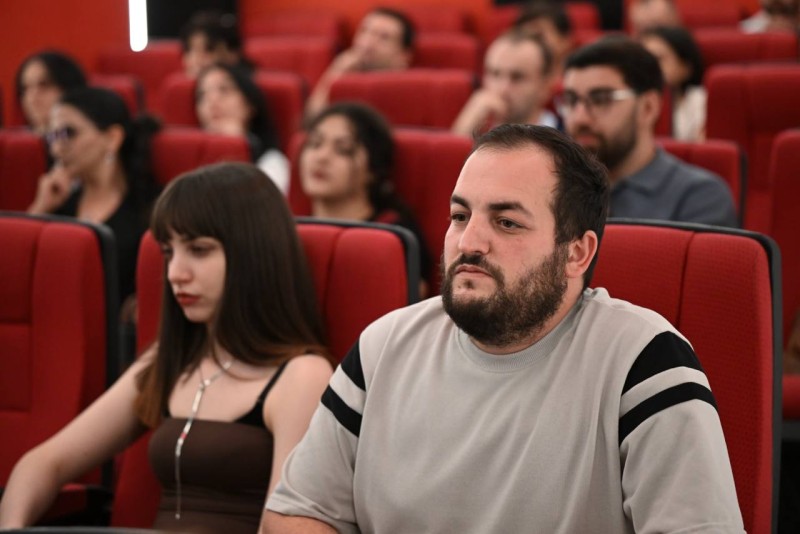
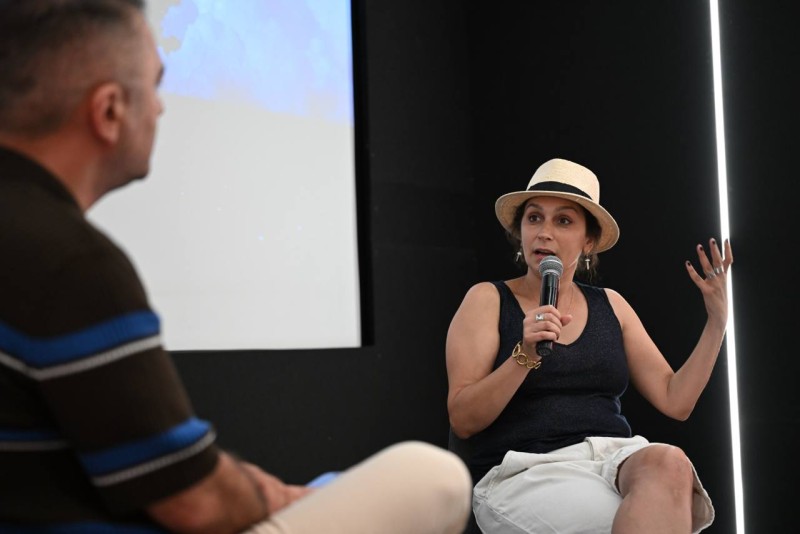
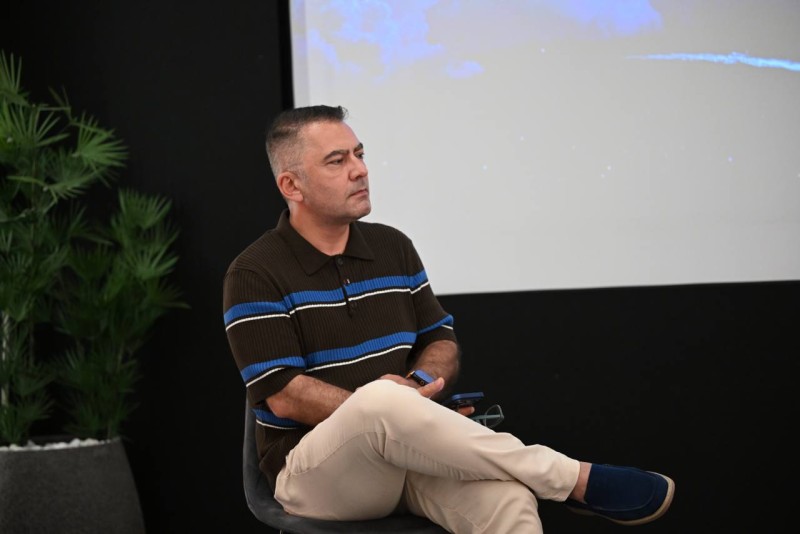
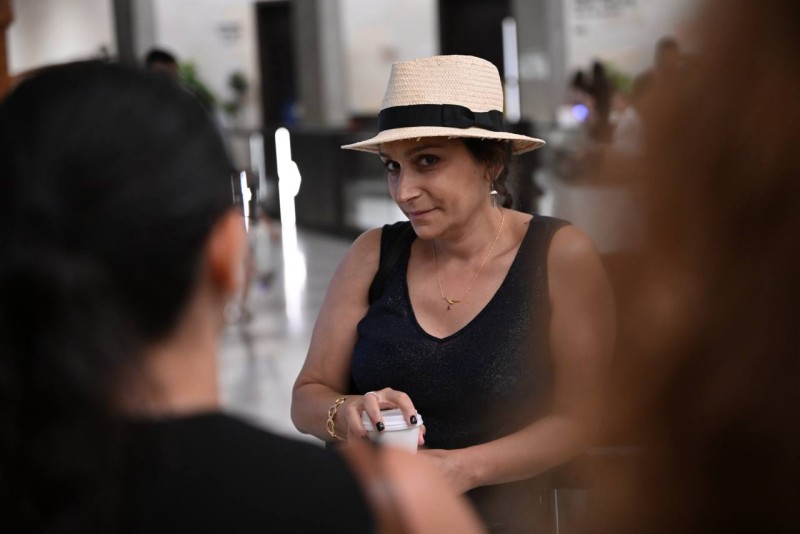
Following the screening, CEO of Newmag Publishing Artak Aleksanyan spoke with the film’s director, Tamara Stepanyan. The evening concluded with a Q&A session with Signature Club members.
Newmag.am presents an article about the film and its director, written by Artak Aleksanyan.
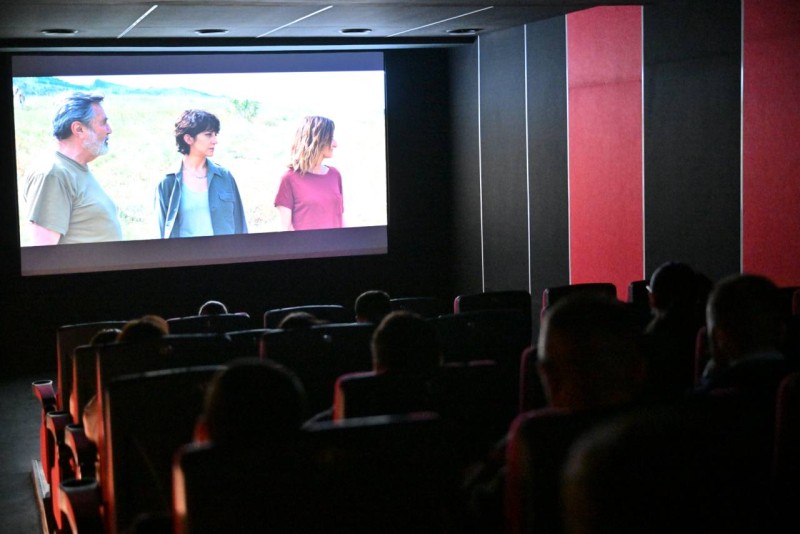
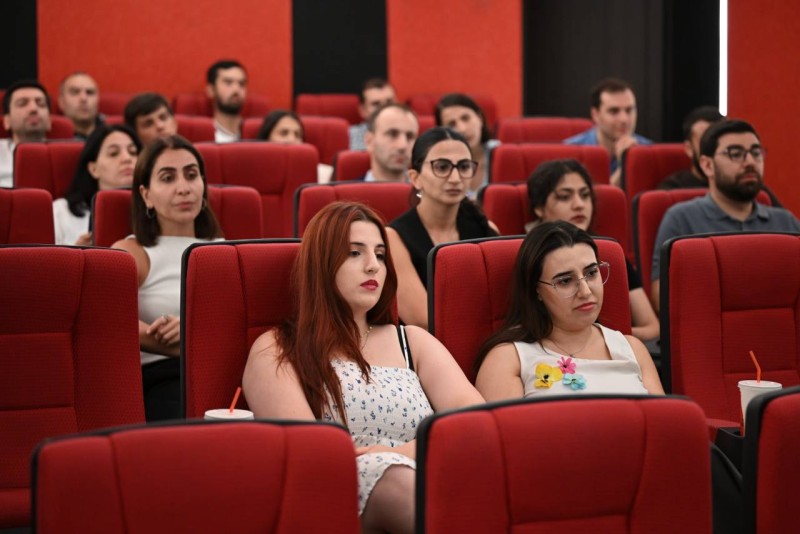
It seems that if there is a non-comedy auteur film that deserves to be discussed across the country, it is “In the Land of Arto.” One of the leading contenders at this year’s Armenian Film Academy Awards and the film that received the most “Anahit” awards, it is a French-Armenian co-production featuring both French and Armenian stars. It has participated in several international film festivals, opened the Locarno International Film Festival in 2025, and this year opened the Golden Apricot.
Everything seems to be in place. Yet very little is being said about the film.
After watching it, I think I understand why.
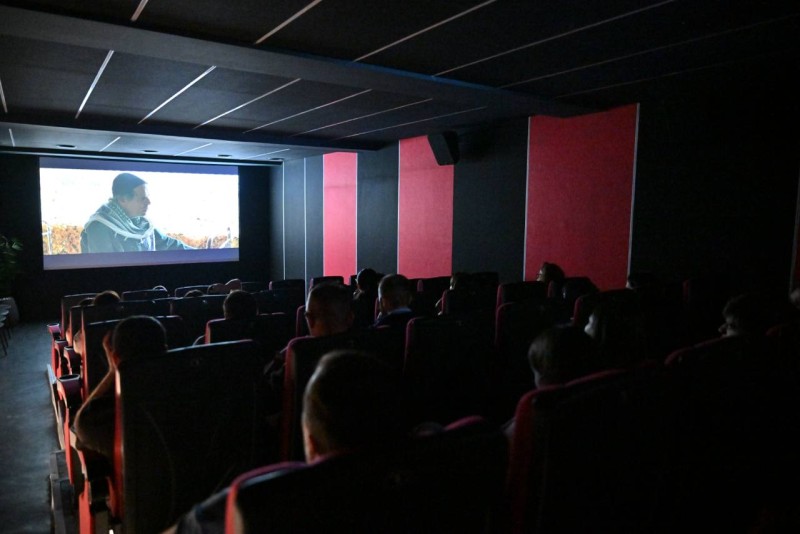
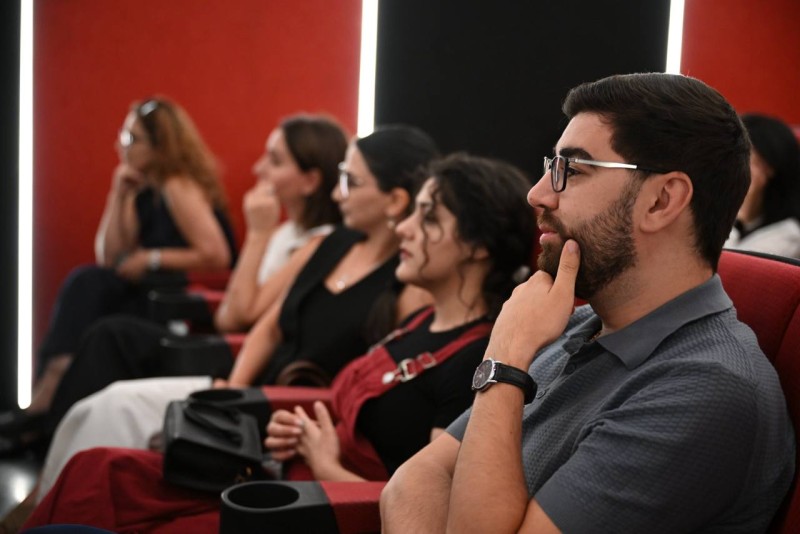
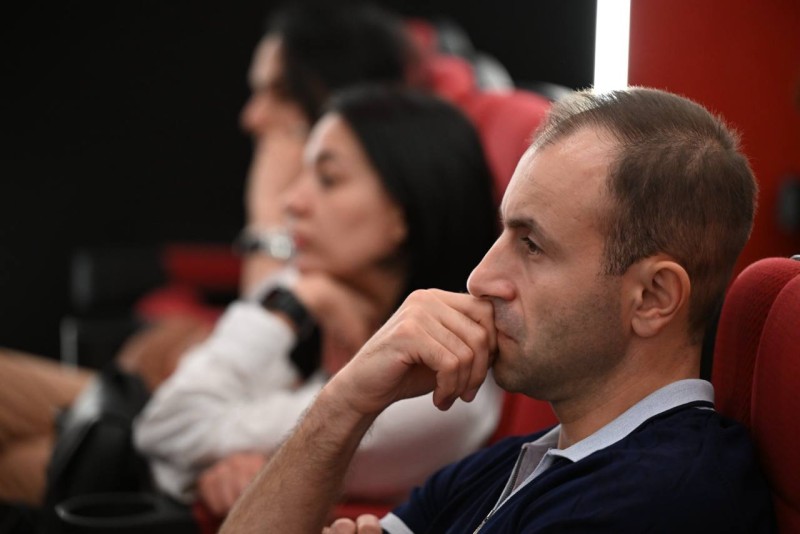
The private screening at Cinema Moscow was followed by a meeting with director Tamara Stepanyan. Before the film entered theatrical distribution, those who had already seen it would simply raise their eyebrows, look away and say with a deep sigh:
— Well... I don't know. You have to watch it and decide for yourself.
That was, quite literally, the most common reaction to the film. And naturally, it created a certain tension. You began to expect either a cinematic punch carefully disguised beneath an arthouse surface or yet another neoliberal European manifesto.
In reality, the film is neither.
The protagonist is Céline, a French woman who travels to Armenia for two days after the death of her Armenian-born husband, Arto, to deal with legal matters. She wants to find his birth certificate and other documents so that, in the future, their children will have the opportunity to apply for Armenian citizenship. Arto was from Gyumri, and Céline’s journey begins there.
Gradually, she discovers that Arto had lied to her for years and had lived an entire life she knew nothing about. He had another surname, a completely different biography and a past he had kept hidden. Céline meets his former fiancée, friends, fellow soldiers and others who knew him before she ever entered his life.
Along the way, she makes new friends and, together with them, retraces Arto’s life, both literally and metaphorically. The film is set in 2021, after the defeat in the 2020 war but before the displacement of Artsakh’s Armenian population in 2023.
Within this narrow historical window between national defeat and national tragedy, Tamara Stepanyan tells the story of one person through the eyes, and, more precisely, the ears, of his French wife.
Céline mostly listens.
She listens to the taxi driver who shows her Gyumri. She listens to the archive employee who discovers Arto’s real surname. She listens to Arsine, a war participant, and to her father, a war veteran.
They do not simply speak; they seem to deliver monologues. Through self-reflection, they try to understand what happened, and, most importantly, how to continue living.
How to live in Arto’s land? But what exactly is Arto’s “land”?
Is it Artsakh, on the day of the loss of one of its regions, when he took his own life?
Is it Armenia?
Or is it a territory that has nothing to do with geography, Arto’s inner world, his memories, his secrets, and the Armenia he had created for his family?
A country not as a point on a map, but as a psychological space.
After the screening, Tamara Stepanyan answered that it is all of these things together.
The director worked on the screenplay for nearly ten years and managed to create a story about war and loss without irritating the viewer, preaching or exploiting pain. At the same time, the film does not shy away from asking the most difficult questions.
Perhaps it is one of the first Armenian fiction films to attempt to speak about 2020 and 2023 without provincial pathos or detached indifference. The film manages to avoid both extremes.
Stepanyan has created one of the rare Armenian fiction films of recent years that you would not hesitate to show to a foreign audience and can recommend without reservation.
The cast is equally impressive. Camille Cottin, one of the most recognizable actresses in French cinema, plays the lead role. Iranian actress Zahra Amir Ebrahimi also appears, while Denis Lavant makes a surprising appearance toward the end of the film.
Lavant has never been a Hollywood star, but he is considered one of the most distinctive and respected actors of contemporary European cinema and a longtime collaborator of Leos Carax. Even his brief appearance changes the tone of the film.
The Armenian cast is equally convincing. Shant Hovhannisyan’s French is remarkable, while Babken Chobanyan and Aleksandr Khachatryan create highly credible characters. Among the female performances, Hasmik Suvaryan, Kristina Hovakimyan and Haykuhi Khudaverdyan are particularly memorable.
So, it seems, we have an interesting screenplay, an outstanding cast and carefully crafted, deeply committed direction.
Then why is so little being said about this film?
Because its central subject is memory, both individual and collective.
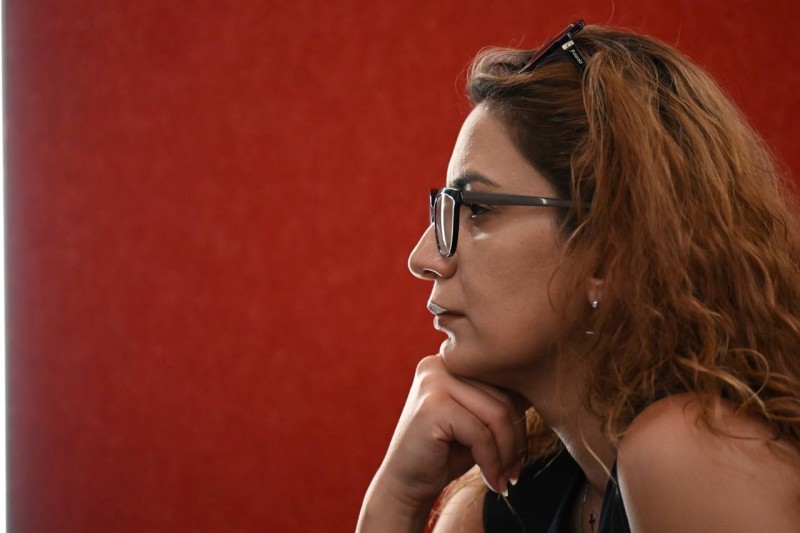
Tamara Stepanyan has managed something close to impossible: to bring together in a single story the 1988 earthquake, the generation that came of age through it and participated in the wars of the 1990s, the defeat of 2020, and the difficulty of continuing after all of it.
It might seem that so many layers would overwhelm the film. Instead, everything falls into place.
Because our identity is built precisely from these things: the mistakes and victories of the past, our traumas and our searches. We are what we remember.
But memory can also become a public weapon. It can be dulled, blurred and made uncertain. Our collective post-traumatic condition contributes to this as well. The easiest way to deal with trauma is often to pretend that it does not exist.
Yet the more we try not to see pain, the more forcefully it returns.
Stepanyan seems to suggest something very simple: if we want tomorrow to hurt less, we must have the courage to speak about it today.
This film does not offer ready-made answers. It does not identify villains or attempt to please any particular side.
Auteur cinema does not have to please everyone. It has to make us think.
And if a film continues speaking to you long after you have left the cinema, then perhaps it has already accomplished what it set out to do.
Share


Read also