
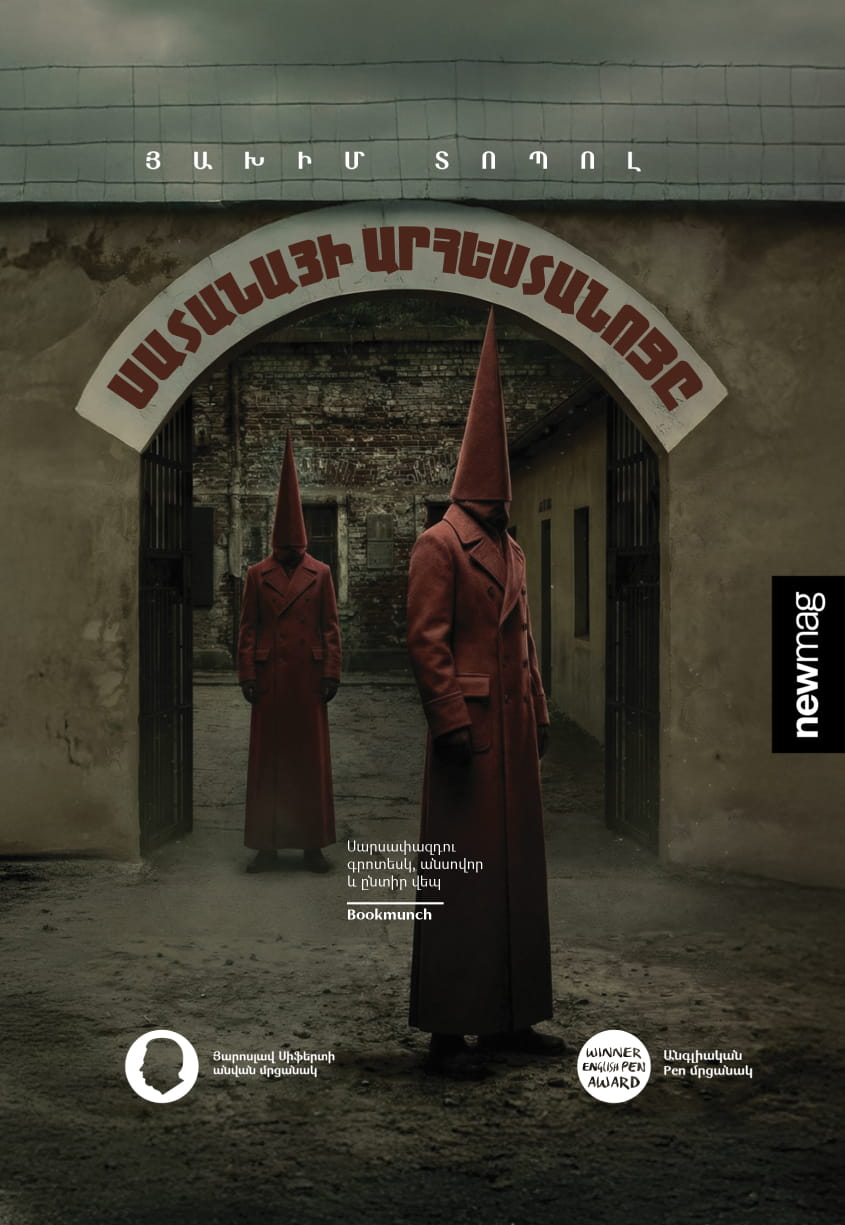


The Devil's Workshop
5800 ֏
Attention
The item is already in your cart. Do you want to proceed with payment or continue the shopping?
Shop other books Go to cartDescription
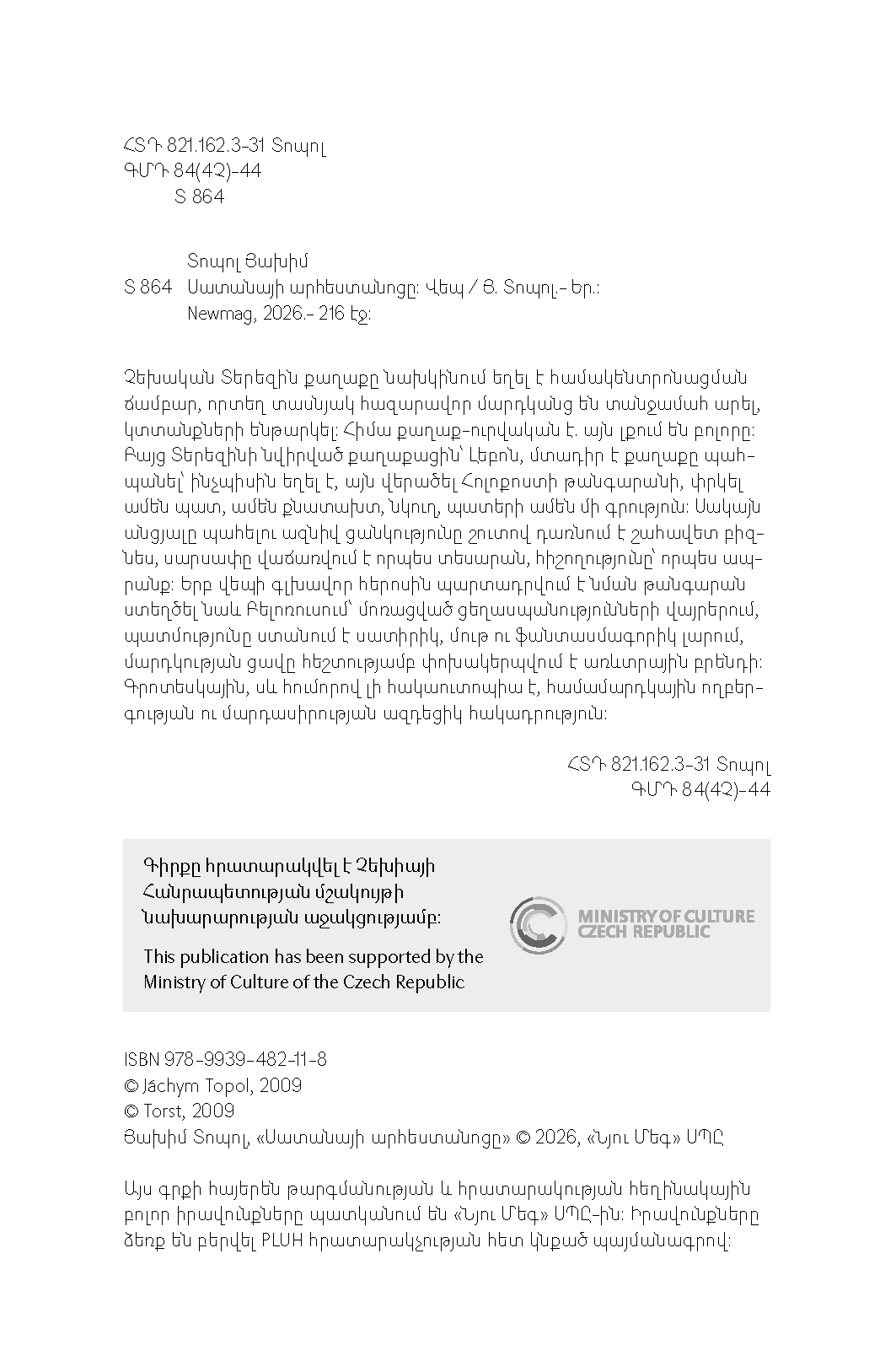
The Czech city of Terezín was once a concentration camp, where tens of thousands of people were tortured and killed. Now it is a ghost town; everyone is abandoning it. But a devoted citizen of Terezín, Lebo, intends to preserve the city as it was, to turn it into a Holocaust museum, to save every wall, every sleeping sickness, every basement, every writing on the walls. But the noble desire to preserve the past soon becomes a profitable business, horror is sold as a spectacle, memory as a commodity. When the main character of the novel is forced to create a similar museum in Belarus, in the places of forgotten genocides, the story takes on a satirical, dark and phantasmagoric tone, the pain of humanity is easily transformed into a commercial brand. It is a grotesque, blackly humorous dystopia, a powerful contrast between universal tragedy and humanity.
Additional information
Original name
Chladnou zemíISBN
978-9939-482-11-8Published year
2026Pages count
216Size
14.5x22.3, կոշտ կազմCategory
Թարգմանիչ
Share


Book video
Reviews (0 Reviews )

No reviews