
The TV presentation of Hrair Palian’s book “Anatomy of Peacemaking” took place (video)
04/10/2026
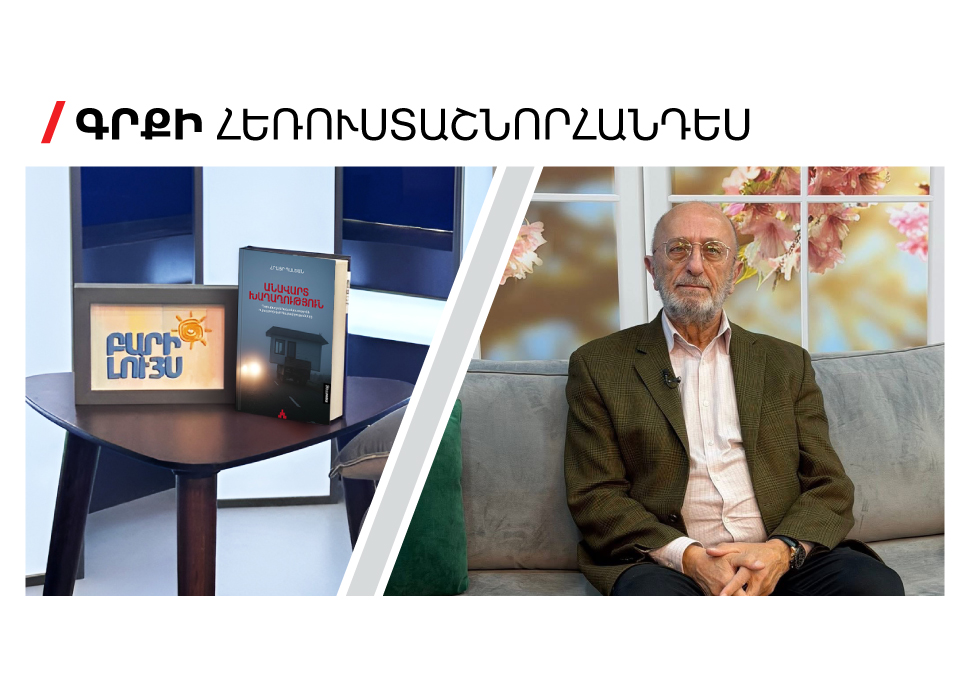
On the 10th anniversary of the April war, Newmag Publishing House presented a comprehensive study on the settlement process and failures of the Artsakh conflict during Armenia TV’s “Good Morning” program, the book “Anatomy of Peacemaking” by peacebuilding specialist and Doctor of Law Hrair Palian.
To write “Anatomy of Peacemaking,” Hrair Palian spent three years conducting in-depth research, studying documents and archives, and carrying out interviews with former Armenian presidents, foreign ministers, French and American co-chairs, as well as Azerbaijani and Turkish diplomats.
“It became clear to me that there were shortcomings that ultimately led to failure, when the entire three-decade negotiation process collapsed. I have identified nine reasons. I do not want to mention one by one of them now, since all of them are important.
At the end of the 2000s, the Azerbaijanis decided that negotiations had an alternative: weapons. Our alternative was time, we hoped that it would work in our favor, but it didn’t.”
Hrair Palian also highlights maximalism and the unwillingness to compromise as another key issue on both sides:
“A maximalist stance in negotiations is normal, but only at the beginning. Then you have to make compromises. For example, in 1997, the OSCE Minsk Group proposed to postpone the final status of Artsakh for an indefinite period, to regulate de facto independence.
That would have given Karabakh the opportunity to keep the entire Lachin region, the Kelbajar region, which were to be de facto annexed to Armenia, Artsakh would have kept the army, but in return we had to return the other five regions, and the Azerbaijani refugees had to return. We did not make that compromise.”
According to Palian, even today critical issues remain unaddressed in preliminary agreements:
“Armenia and Azerbaijan have initialed a peace agreement, but there are no very important issues there, for example, prisoners of war, about which there is no mention.
There are two hundred square meters of land that the Azerbaijanis have occupied, where their army is, and there is no mention of that in this agreement. The paper can be signed, but that does not mean peace, it is important that these issues are raised, not swept under the carpet.
The 19 hostages who are currently in Artsakh must be released, without any conditions. The state leaders of Armenia must assume responsibility, otherwise these people will remain in prison. The leaders of both sides must talk about the 19 hostages every day.”
Hrair Palian hopes that “Anatomy of Peacemaking” will spark public discussion and critical reflection, helping society analyze past failures and avoid repeating them in future negotiations.
The book was translated from English and edited by Karen Harutyunyan. The main partners of the publication are the Armenian Communities Department of the Calouste Gulbenkian Foundation and the “Ani and Narod Memorial Foundation.”
Share


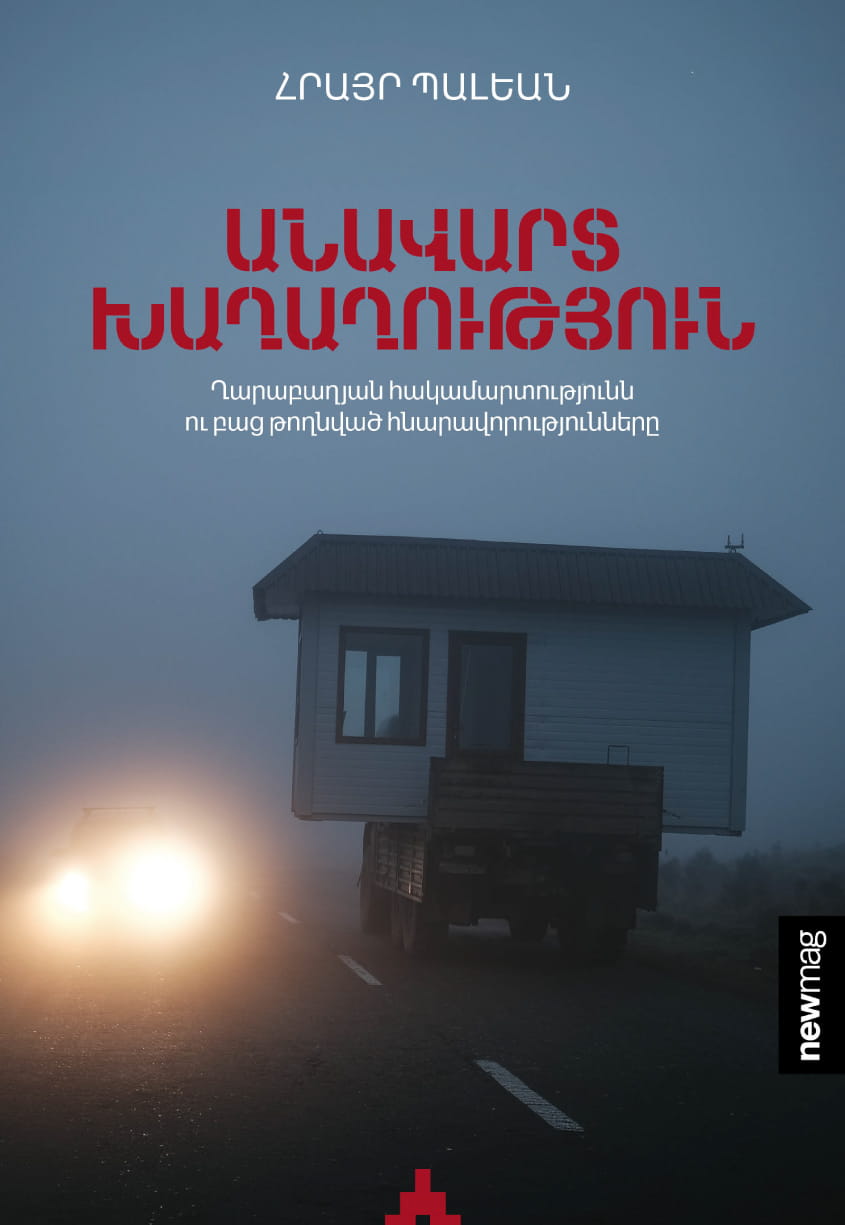
8800 ֏
Description
This book analyzes the negotiations and failed mediation attempts that lasted more than three decades in the Armenian-Azerbaijani conflict of 1988–2025.
The author discusses in detail the proposals of the OSCE Minsk Group, as well as the parallel initiatives of the US, EU and RF, reveals the motives of the parties, the role of third forces and missed opportunities. Based on the study of archival documents and open sources, the author formulates the lessons learned from the negotiation process and identifies the main reasons for the failure.
For this book, the author conducted exclusive interviews with former presidents and foreign ministers of the Republic of Armenia, participants in the process, and spoke with mediators and commentators.
Read also