
Career City Fest hosted the presentation of Jonathan Haidt’s bestseller “The Anxious Generation”
04/20/2026
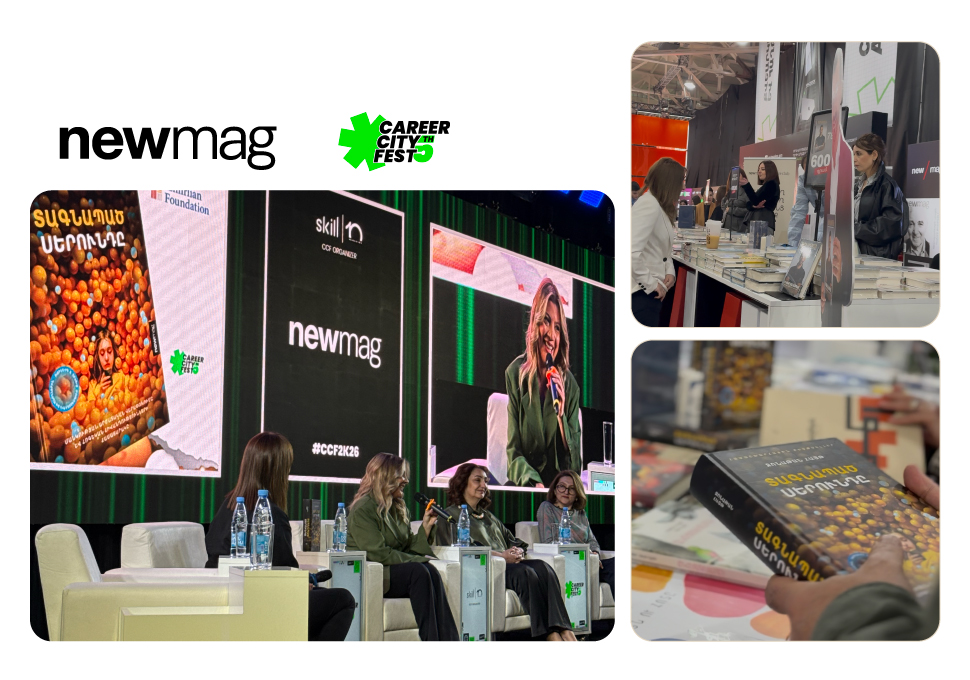
Newmag presented one of the year’s most important global bestsellers, “The Anxious Generation” by Jonathan Haidt, at Career City Fest. Drawing on extensive scientific research, the author reveals, through striking data and evidence, how smartphones, social media, and gaming are reshaping the mental health of children and teenagers.
The book focuses on Generation Z - the first generation to grow up fully immersed in the digital world. The main partner of the Armenian edition is the Izmirlian Foundation. The book is translated by Nane Manukyan, Head of Corporate and International Partnerships at Newmag.

The discussion was moderated by Gohar Manukyan, Head of Strategic and Special Projects at Newmag. She highlighted one of the book’s key arguments: social media tends to impact girls more, while video games have a stronger psychological effect on boys.
“This is not just a book for parents. It is essential reading for psychologists, educators, and policymakers. According to the author, only systemic solutions can help restore a healthier childhood and protect mental well-being"
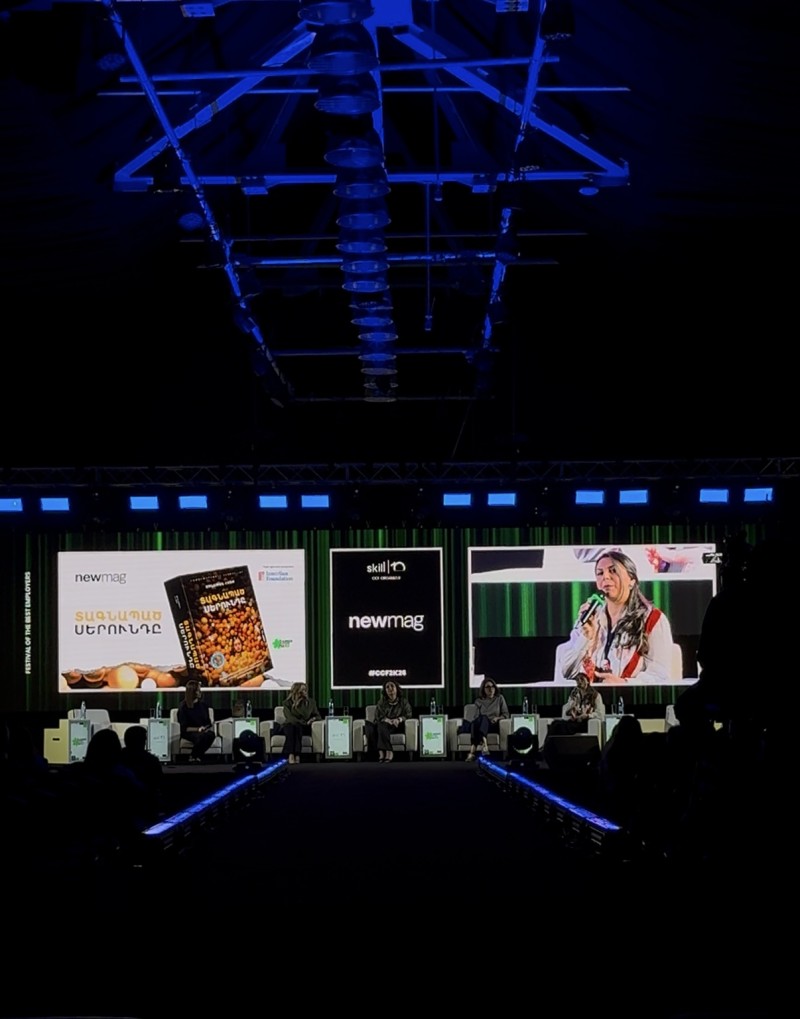
Nane Manukyan emphasized that while the book is grounded in scientific studies, it is written in an accessible, popular-science style:
“The numbers and findings presented are truly alarming. The author argues that tech companies are fully aware of the negative consequences of their platforms, yet prioritize engagement and profit over children’s well-being.”
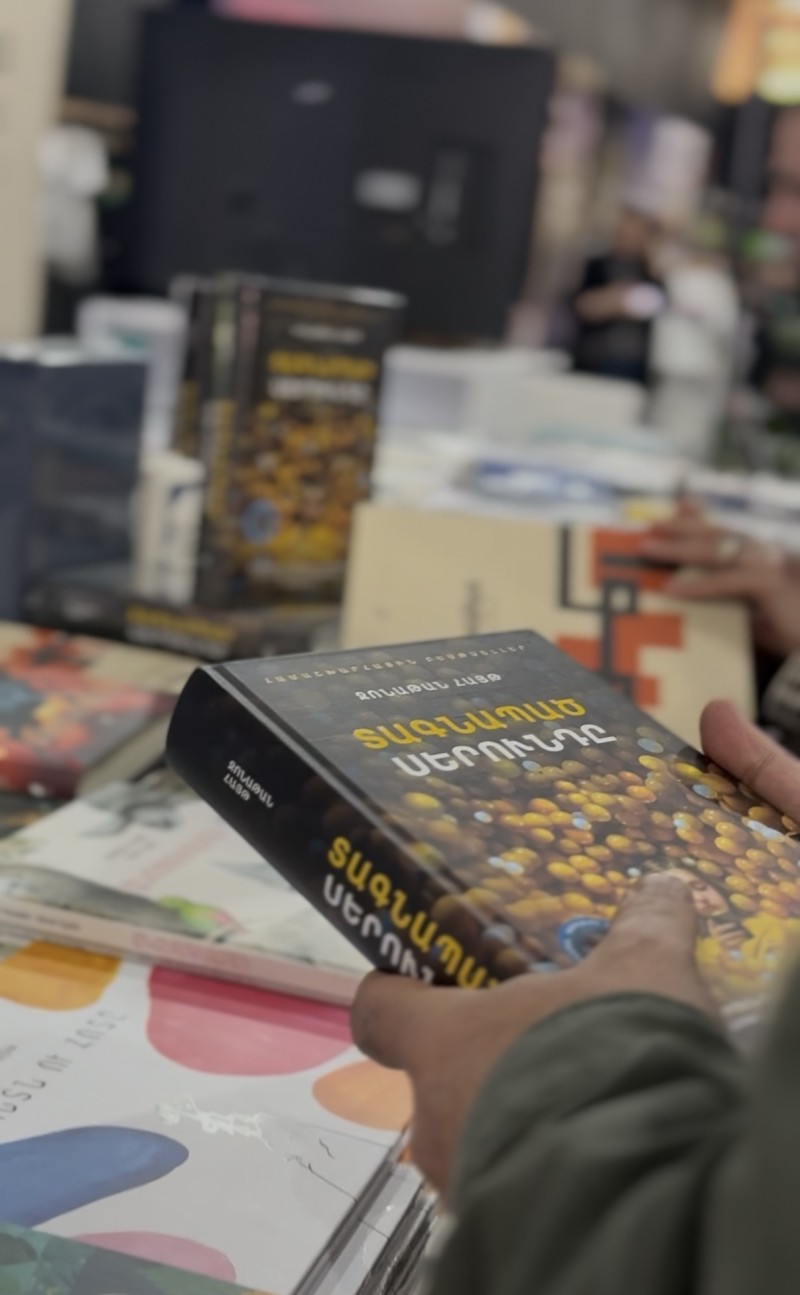
Importantly, Haidt does not ignore opposing viewpoints. He addresses counterarguments suggesting that rising mental health issues may stem from global crises such as pandemics or wars. However, he presents research indicating that the decisive factor remains the rapid expansion of smartphones and social media.
The book’s editor, Tatevik Baghdasaryan, shared her personal experience as a parent of a Gen Z child:
“Like many working parents, I thought that if my child was at home, she was safe. But over time, I noticed sleep problems, reduced attention, and lack of focus. Even when children gather outside, they often end up glued to their screens.”

Psychologist Anush Kocharyan noted that the trends described in the book are clearly visible in professional practice:
“The book helps substantiate widespread concerns with scientific evidence. It shows how new forms of addiction, social media, gaming, and online content, affect children’s development.”

Specialist in developmental psychology Lilit Chobanyan also addressed the issue of digital dependency:
“These platforms provide rapid dopamine rewards, which are especially impactful for children. Excessive use can blur the line between reality and imagination, weaken cognitive functions, and reduce empathy and social skills.”

The discussion concluded with a shared understanding: addressing these challenges requires collective action, from parents and educators to institutions and governments.
In “The Anxious Generation,” Jonathan Haidt outlines several practical steps:
- Delay smartphone use until high school
- Allow social media only from age 16
- Introduce phone-free school environments
- Encourage free play and independent childhood without constant supervision

A powerful and timely book, “The Anxious Generation” is both a diagnosis of a global issue and a call to action, to reclaim childhood in the real world.
Share


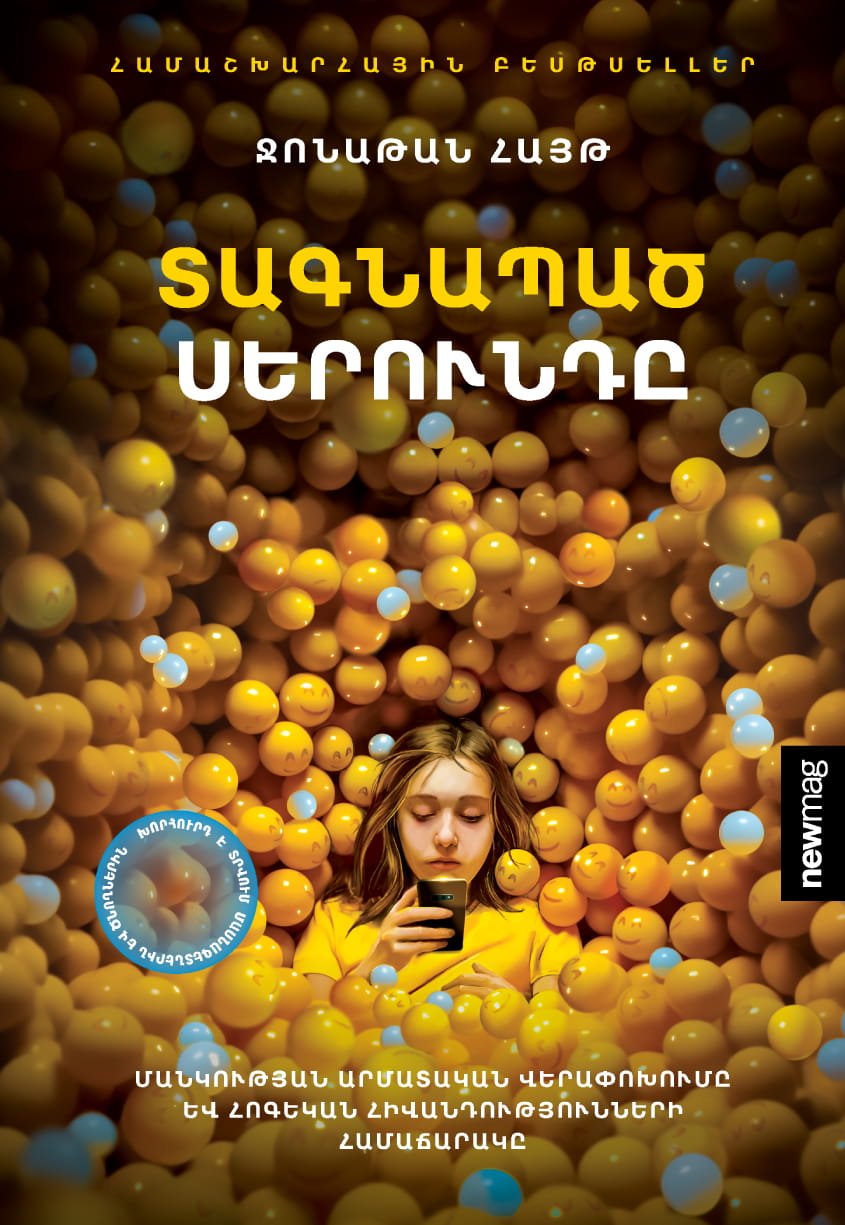
Jonathan Haidt
7800 ֏
Description
In the 2010s, adolescent mental health deteriorated sharply across many countries, with significant rises in depression, anxiety, self-harm, and suicide. What changed during that decade? Social psychologist Jonathan Haidt addresses this urgent question by examining how childhoods once centered on play gradually became dominated by smartphones, social media, and digital immersion.
Drawing on extensive research, Haidt explores how this shift has affected children’s social and neurological development, contributing to sleep deprivation, social isolation, fragmented attention, and addictive behaviors. He also outlines practical and actionable steps for parents, schools, technology companies, and governments to help confront this crisis and restore healthier, more human-centered childhoods.
Generation Anxiety is a compelling call to reclaim a more balanced and humane life for the next generation—and, ultimately, for society as a whole.
Read also