
Is it possible to preserve Yerevan’s architectural face? A meeting and discussion at “ArtBridge” (photos)
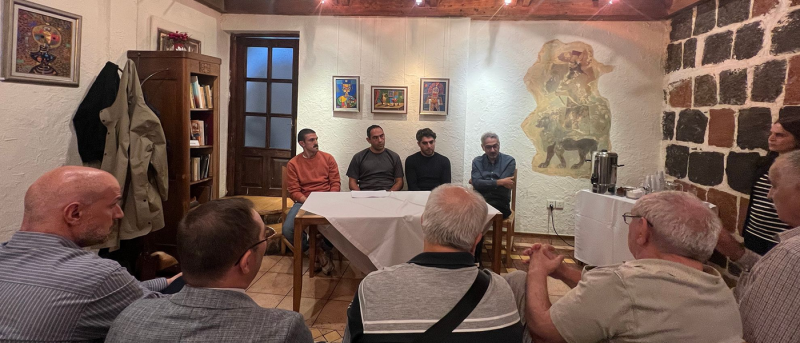
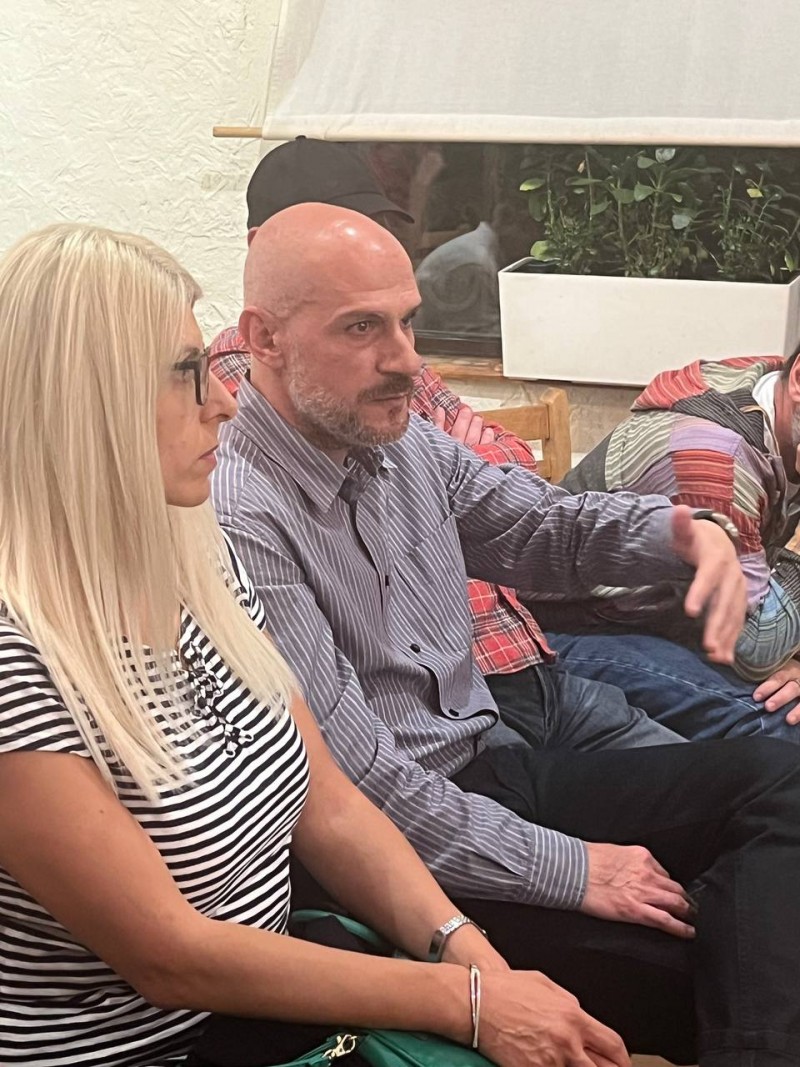
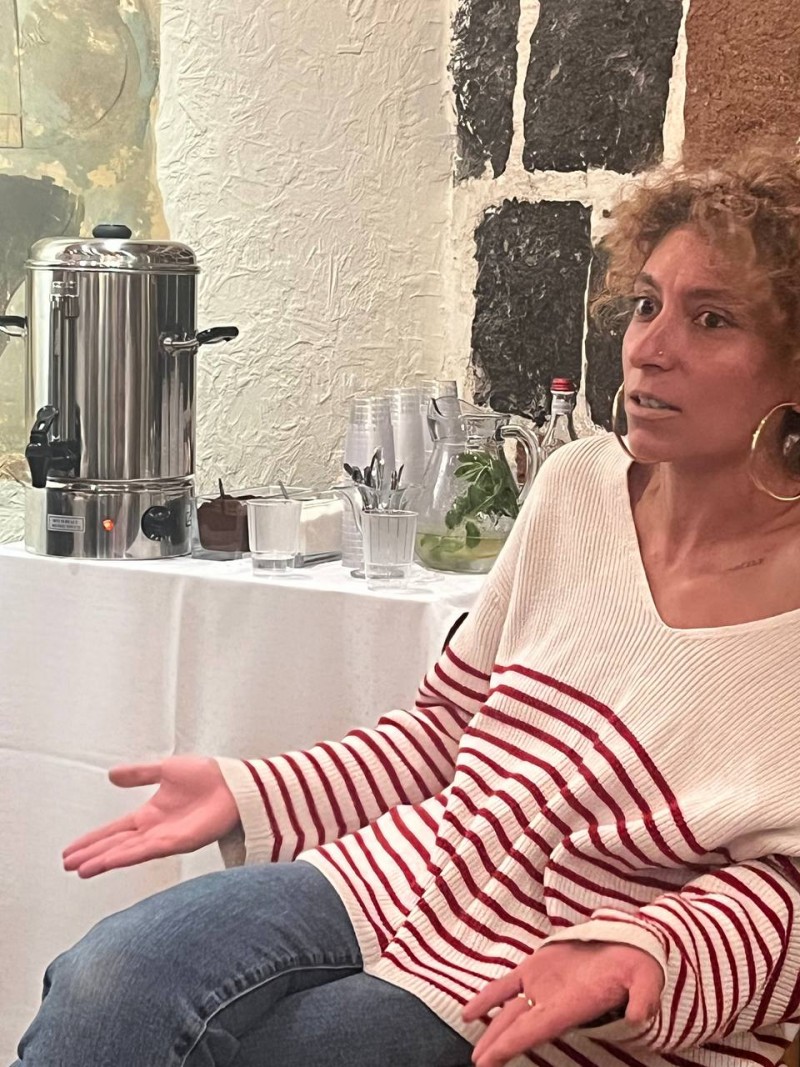
The series of literary meetings organized by Newmag and “ArtBridge” continue, with architects discussing “Is it possible to preserve Yerevan’s Architectural Face?” The speakers featured architects Davit Stepanyan, Ashot Snkhchyan, and Roman Grigoryan. The
To transform the architectural face of Yerevan, the first step is to provide a thorough assessment of the existing issues and challenges. “We must understand the issues before seeking solutions. Each concern must be addressed separately, mistakes confirmed, and clear guidelines set. It's crucial to recognize that we cannot demolish valuable buildings, build structures one on top of the other, or overly densify the city. We must preserve its existing character and address various essential questions. This is why architects must self-filter and distinguish between the good and the bad from the outset. A clear evaluation will be definitely given”.
According to Professor Balyan, architecture is like spelling; the mistake must be corrected according to the rule, and there are many obvious mistakes. “Today we are talking about the situation in Yerevan, about the face of Yerevan. Many people have questions, they have problems related to the loss of that face, being insufficient. To put it more simply, significant mistakes were made. What are these mistakes? They should undergo professional evaluation rather than relying solely on public opinion. This way, the client, who is the government, can understand the errors. Unfortunately, there is currently no answer to these questions”.
.JPG)
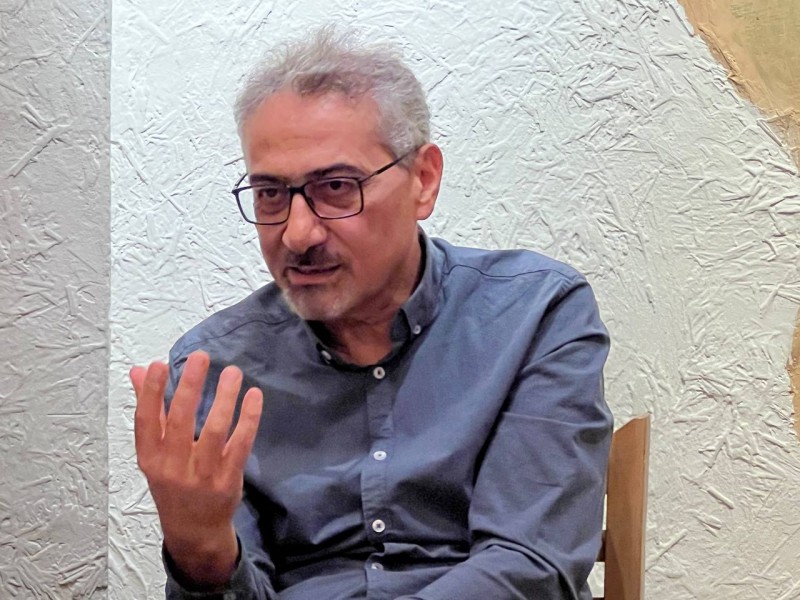
During the discussion, Karen Balyan yields the floor to the young architects; it's their opportunity to express their views. According to architect Ashot Snkhchyan, the foremost issue is that new constructions detract from the city's facade. “Khrushchev-era buildings should be preserved and upgraded since they offer greater comfort compared to newly constructed ones. All that's required is strengthening and enhancing their aesthetics”.
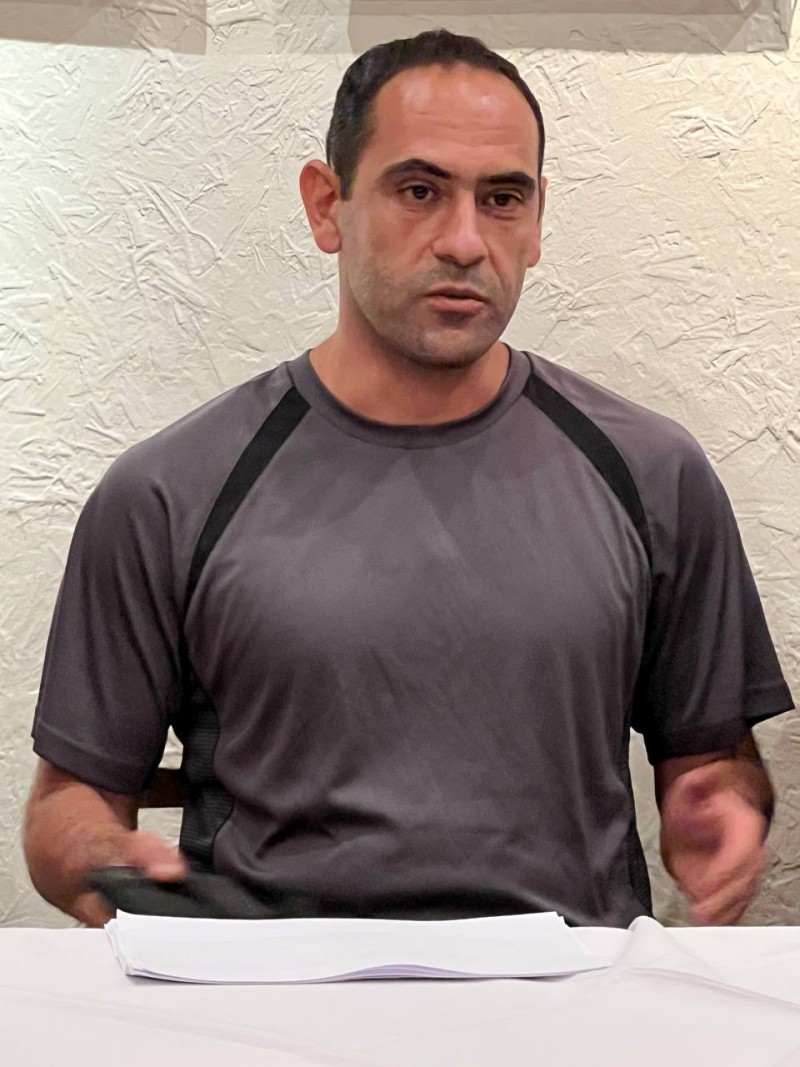
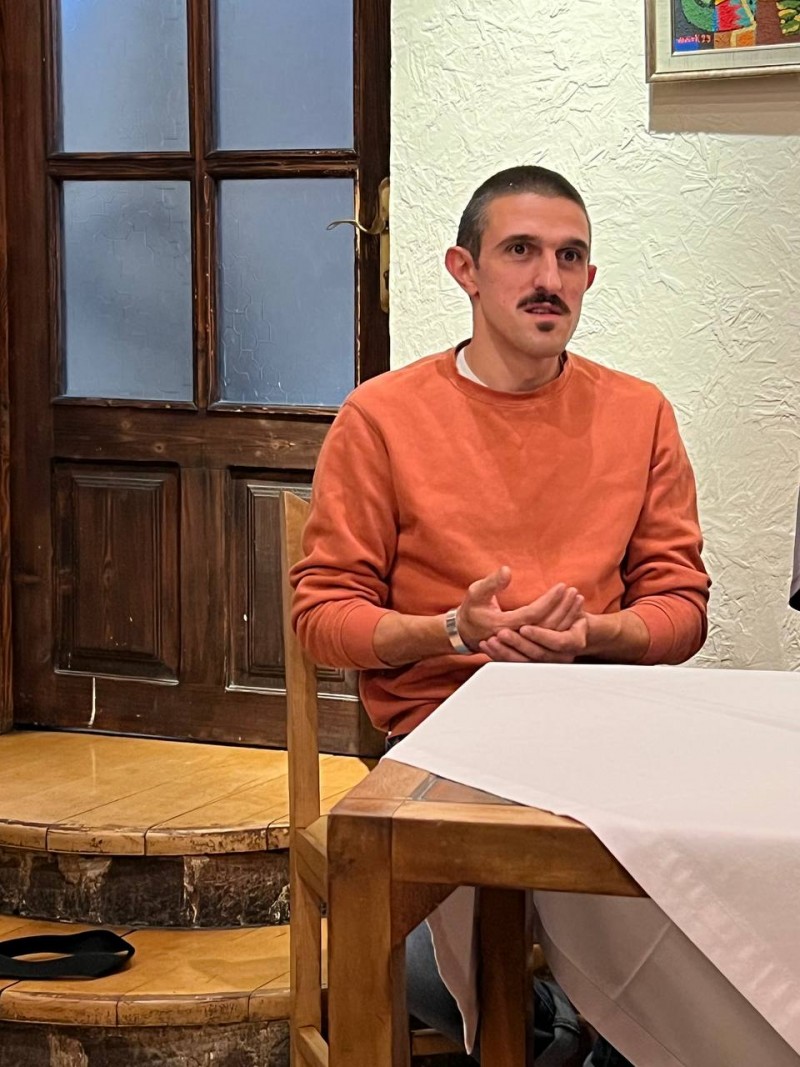
Furthermore, according to Snkhchyan, the first step should involve unifying the external appearance of buildings and expanding the city. “Take, for instance, the Duryan district, which is essentially part of Yerevan but lacks proper planning. It has transformed into an expensive village without a general concept. The city's sidewalks need to be widened. In my view, we must address a fundamental issue that significantly mars Yerevan's aesthetics: balconies, windows, and garages added to the yards of numerous residential buildings. These elements directly impact our city's appearance. Rectifying this requires both political will and concrete solutions, with architects proposing and implementing them. It is unacceptable for the city's architecture to allow every ground-level shop to dictate the facade's appearance, whether it be tiled, painted white, or adorned with golden flowers”.
As per the architects' perspective, each new building in Yerevan means the depopulation of another village in Armenia. They advocate for promoting investments and attractive constructions in the regions (marzes).
Karen Balyan emphasizes, “Currently, construction is heavily concentrated in Yerevan, posing a significant strategic challenge for our nation. Yerevan is draining the population from the rest of the country, drawing it inward. The border isn't only safeguarded by armed men, it's also protected by the presence of our citizens. We should focus on developing our country, not leaving vast lands uninhabited. It makes our nation vulnerable, allowing the enemy to easily encroach upon our territory. There was a clear objective to construct the city in the past, whether it followed an authoritarian, national, or free urban model, as seen in the 1960s. I contrast this with today's construction practices, which primarily revolve around business objectives. Present-day construction unfolds differently—individuals are allocated specific areas, and they compel architects to maximize square footage without much regard for how it would be done”.
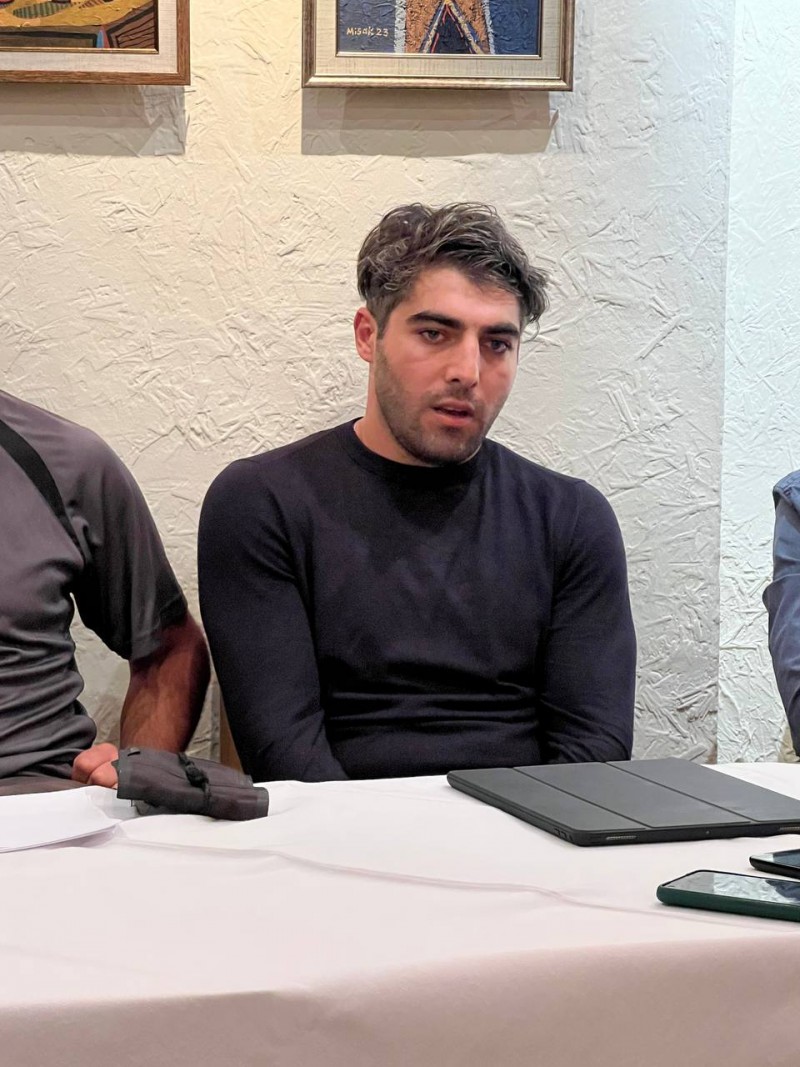
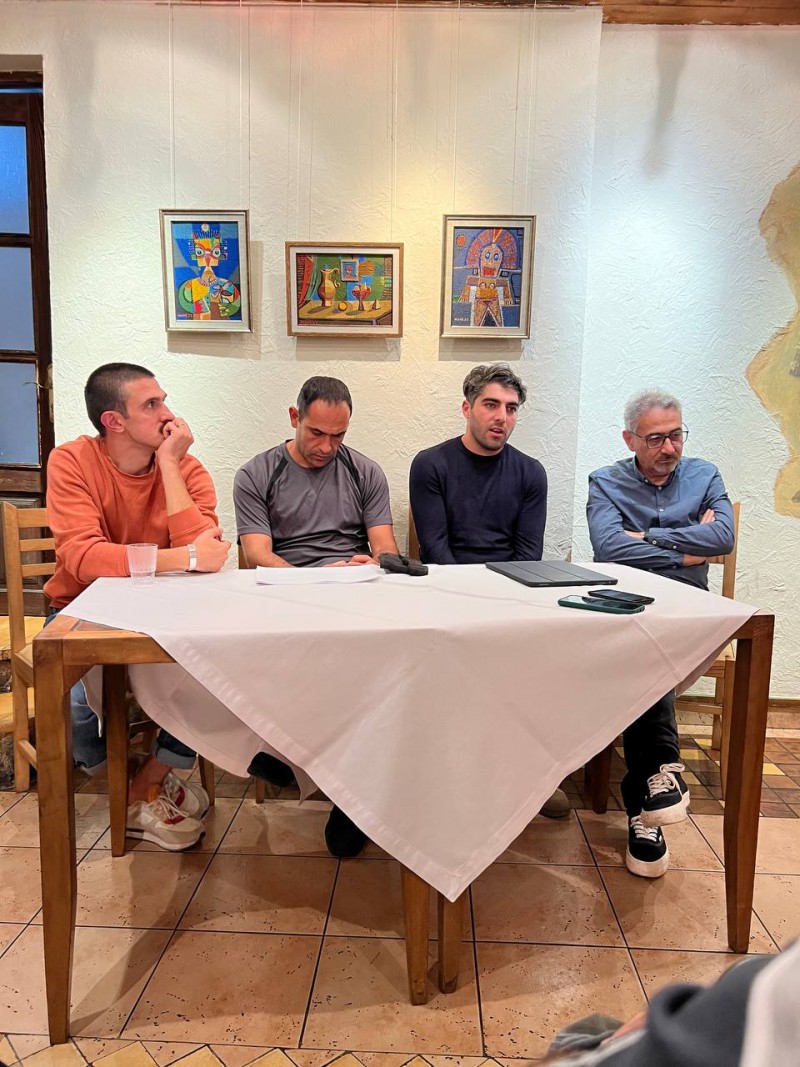
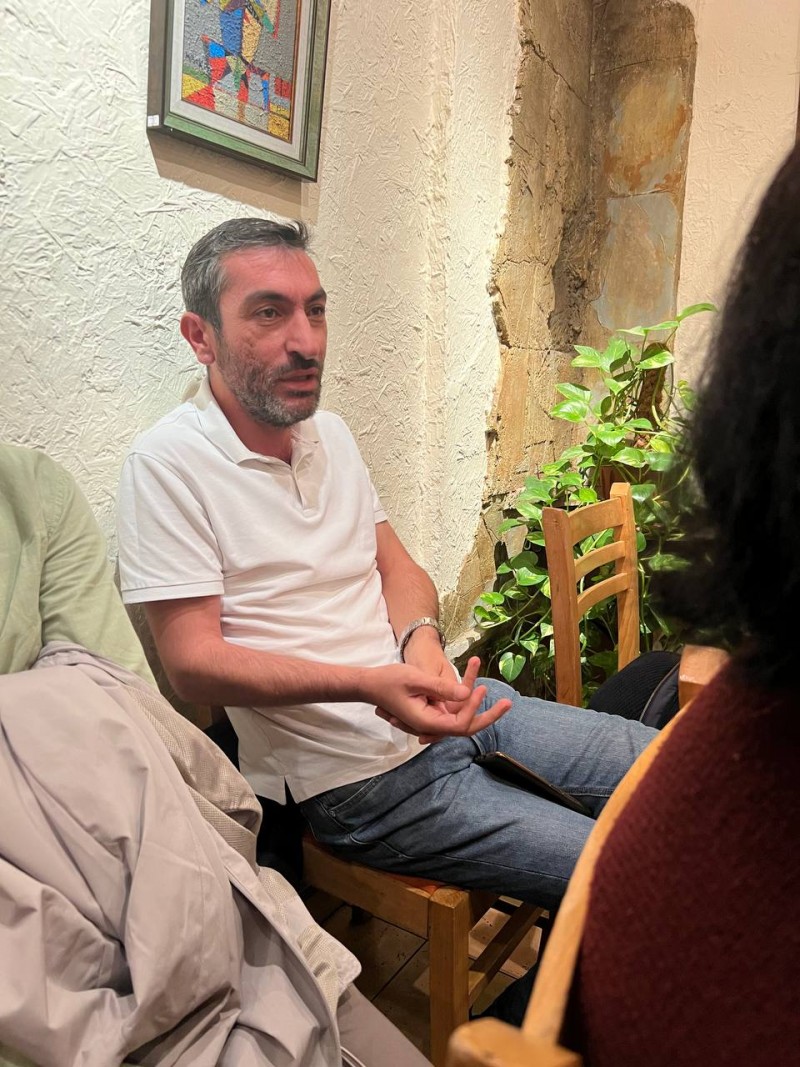
According to architect Davit Stepanyan, preserving Yerevan's architectural identity necessitates a long-term planning perspective. “We must understand what actions are required, what elements to preserve as the city ages. It's necessary to freeze all forms of construction. In terms of the city's architectural character, my predictions are pessimistic; I assert unequivocally that we are limited in our capacity to make a difference or preserve Yerevan's architectural identity. Currently, the priority is saving Armenia as a whole, let alone Yerevan. Indeed, in the past, in the conflict regarding national architecture, the opinions were very different among the experts. However, there was a certain equilibrium, and the conflict received considerable attention. At present, this conflict has escalated to a critical level, especially considering the aging of our buildings. We must establish a framework for understanding the city's aging and endeavor to align it with recent developments. This undertaking will require a long-term and somewhat utopian plan, as the circumstances today differ significantly from the time of Tamanyan when the city was essentially built from the ground up while preserving its core”.
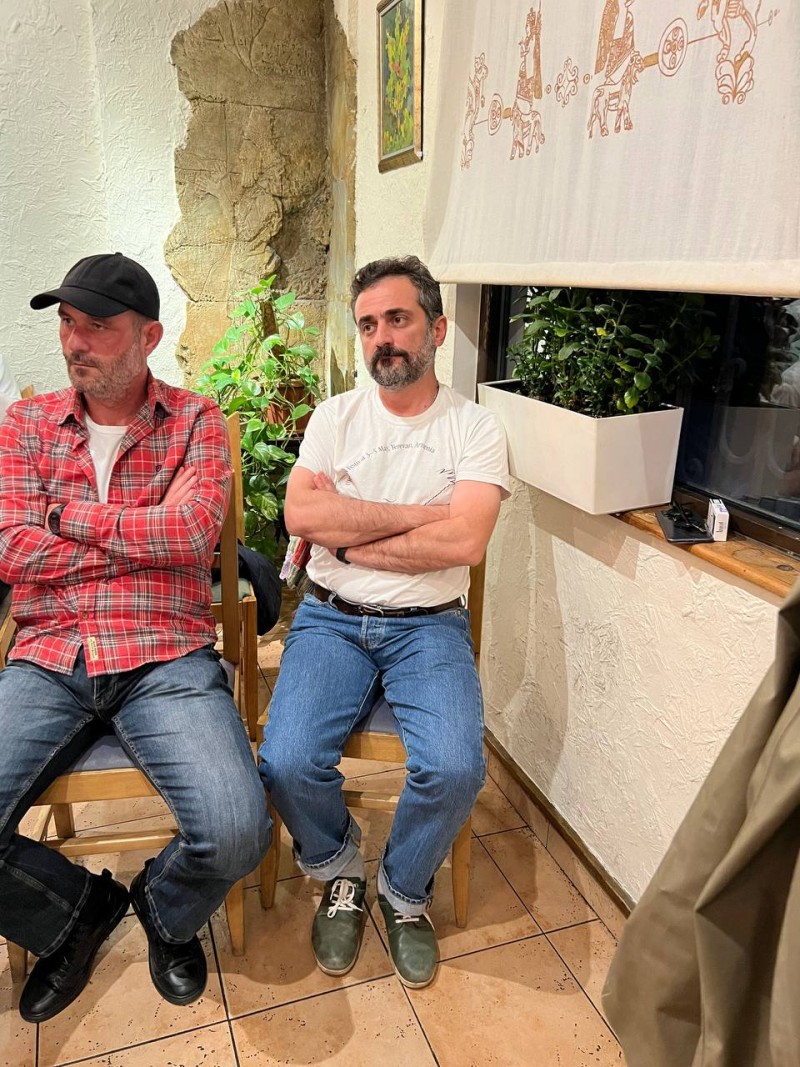
According to architect Roman Grigoryan, there is a pressing need for substantial and decisive actions that any future mayor should be prepared to take. Another issue that deeply concerns the architect is the presence of small architectural installations, such as memorial plaques. Grigoryan points out, “Memorial plaques are a particular concern. For instance, the recently unveiled plaque honoring Rafael Kotanjyan is simply terrible, and incidentally, it also contains typographical errors”.
And how would current architects catalog Yerevan compare to other capitals?
Roman Grigoryan: “A City of Lost Opportunities”.
Davit Stepanyan: “A poor imitation with aspirations of being a metropolis”.
Ashot Snkhchyan: “Post-Soviet Failed City”.
Karen Balyan: "21st-century vernacular: architecture without an architect”.
The meeting, featuring famous architects, lasted for three hours, with passionate discussions continuing for an additional hour in the courtyard of the “ArtBridge” bookstore-cafe.
Share


Read also