
Edik Poghosyan’s “Diary of a Waiting Man”: A Collection of Iranian Poetry (Photos)
10/06/2025
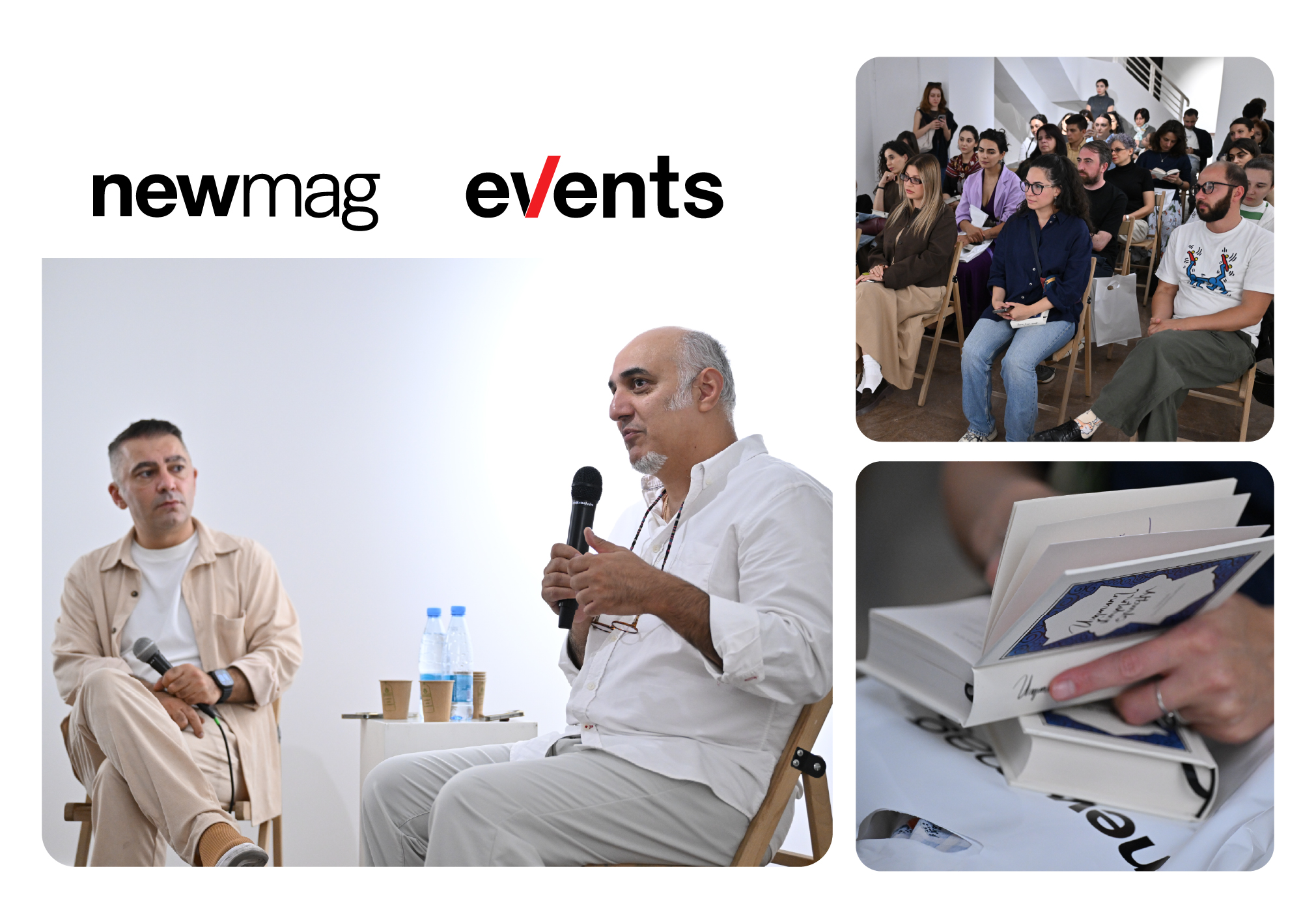
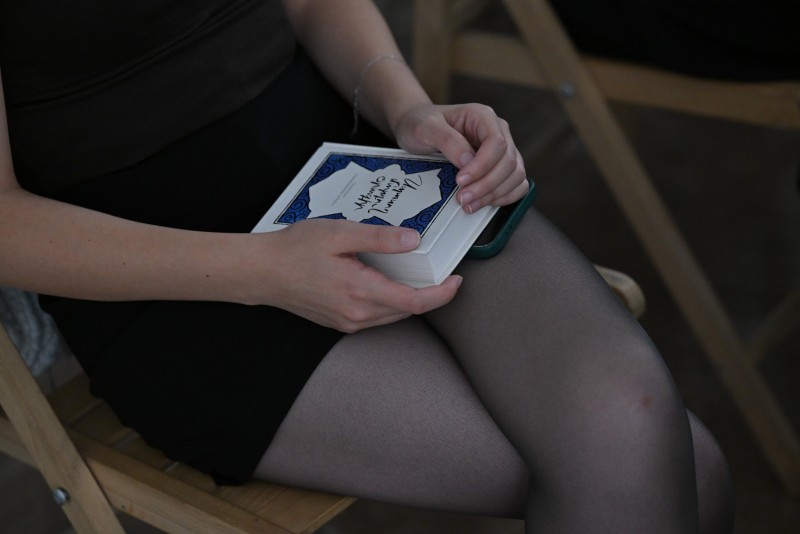
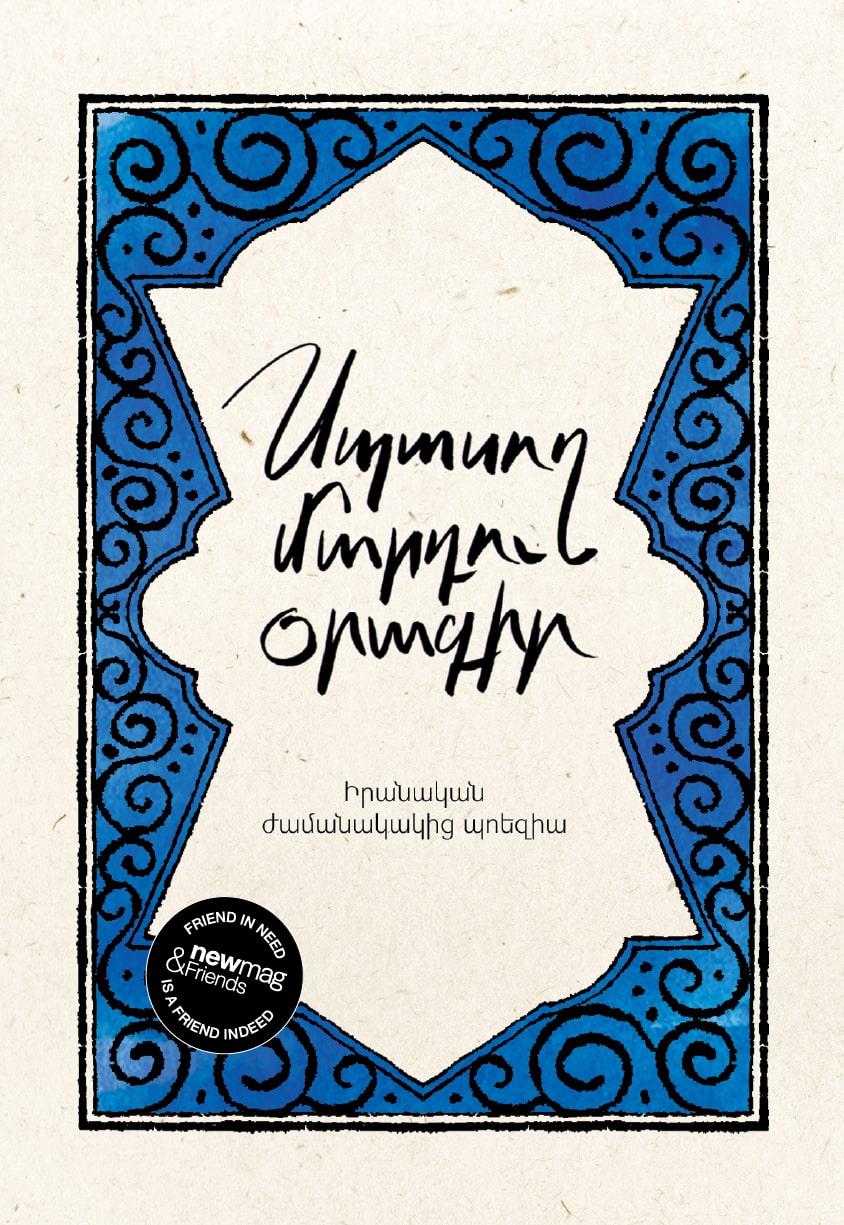
After a ten-year hiatus, “Diary of a Waiting Man” — a collection of Iranian poetry translated by Edik Poghosyan — has reached readers once again through the Newmag & Friends program.
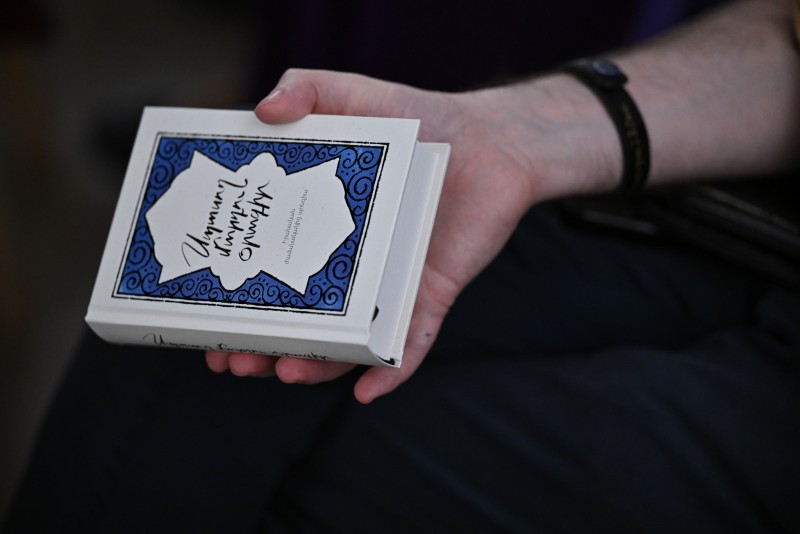
The book was first published in 2015 in a limited edition corresponding to the number of days in a year — 365 plus 1 for leap years. Small enough to fit in a pocket, it was conceived as a daily poetry diary. The structure of the book was inspired by the collection of poems by the 14th-century Iranian poet Hafez, whose works Iranians often use for daily reflection or fortune-telling.
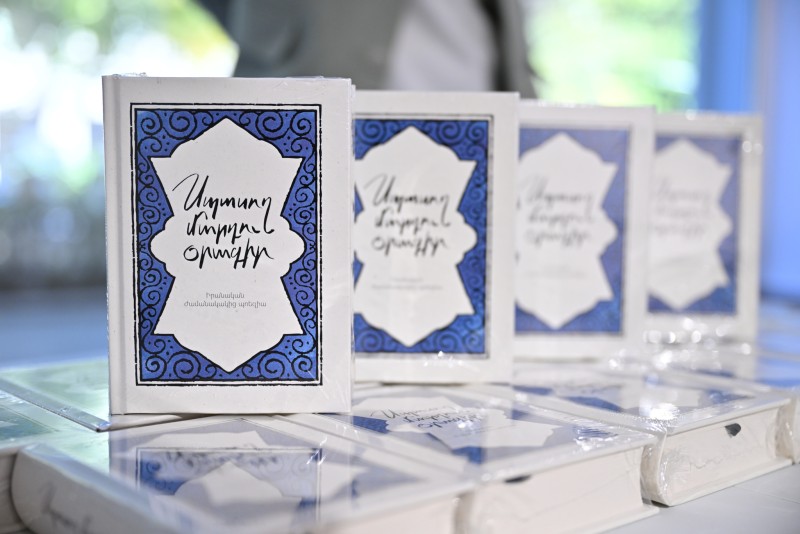
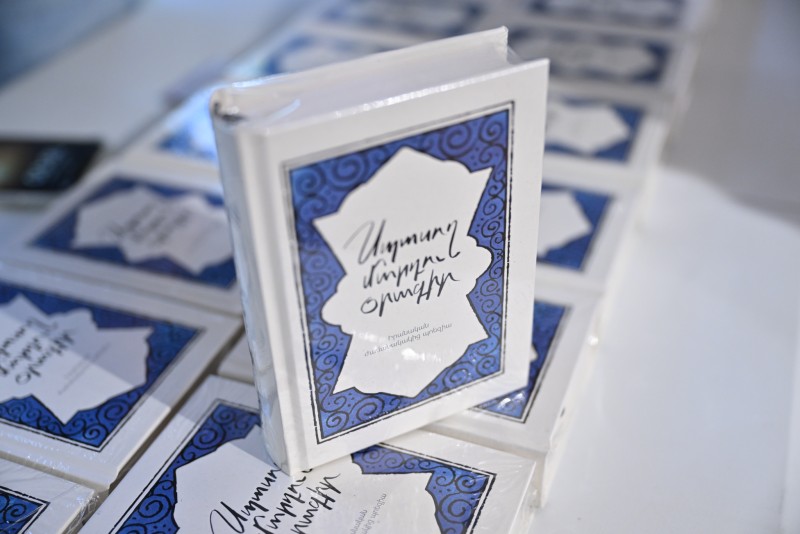
The anthology brings together 365+1 short, precise, and deeply emotional poems. Ten years after its debut, “Diary of a Waiting Man” returns in a revised, newly edited, and refreshed edition.
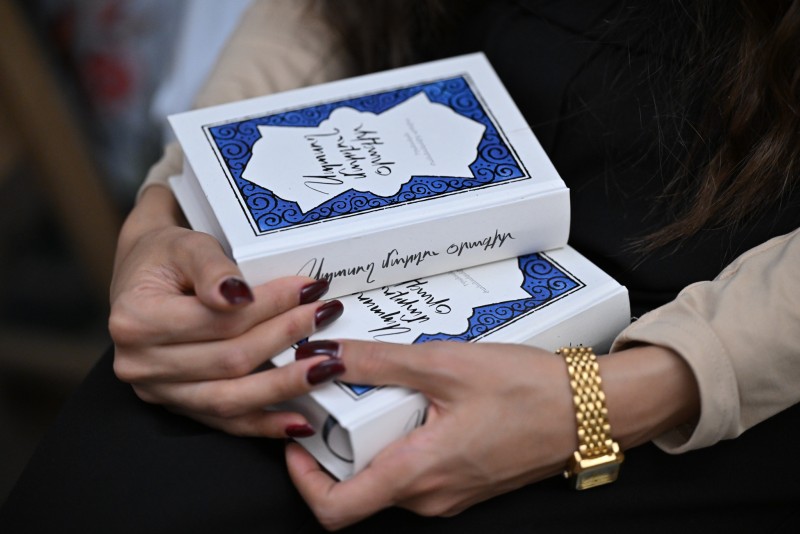
Following its first release, the book sparked unprecedented interest. According to Artak Aleksanyan, Head of Newmag Publishing House, there was already strong pre-sale demand before its presentation. The author shared that after the initial print run sold out quickly, he continued receiving requests from readers to reprint the book.
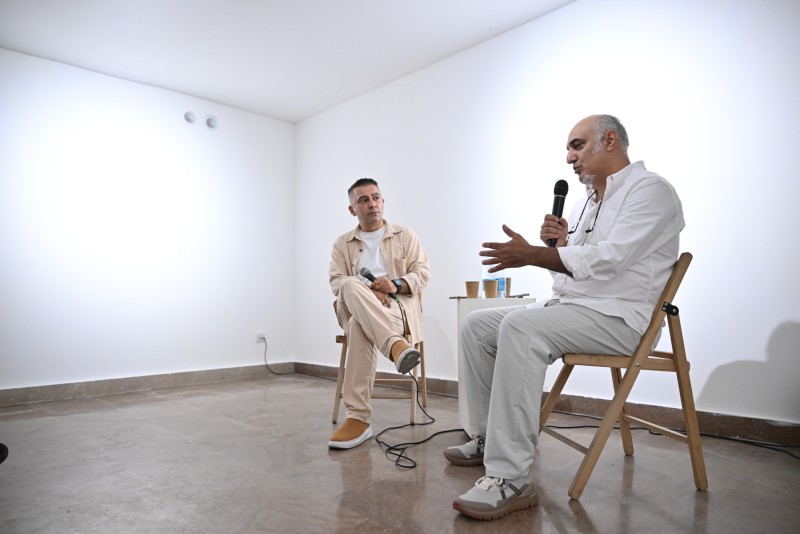
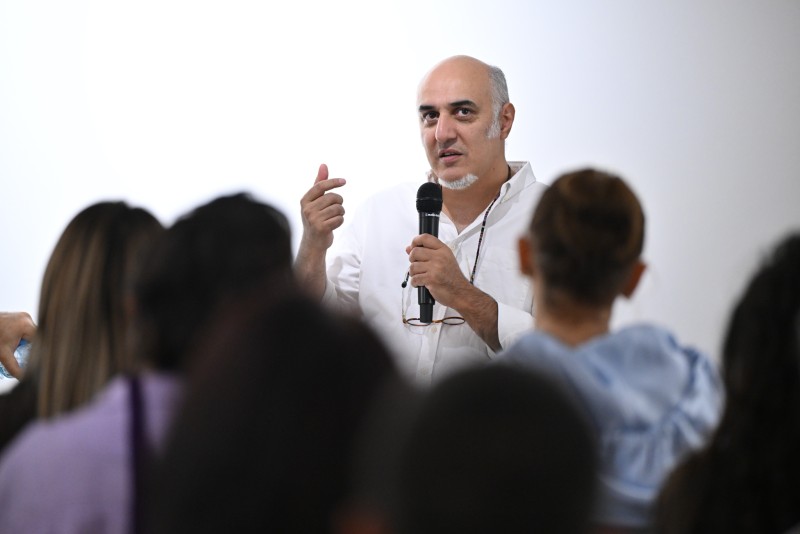
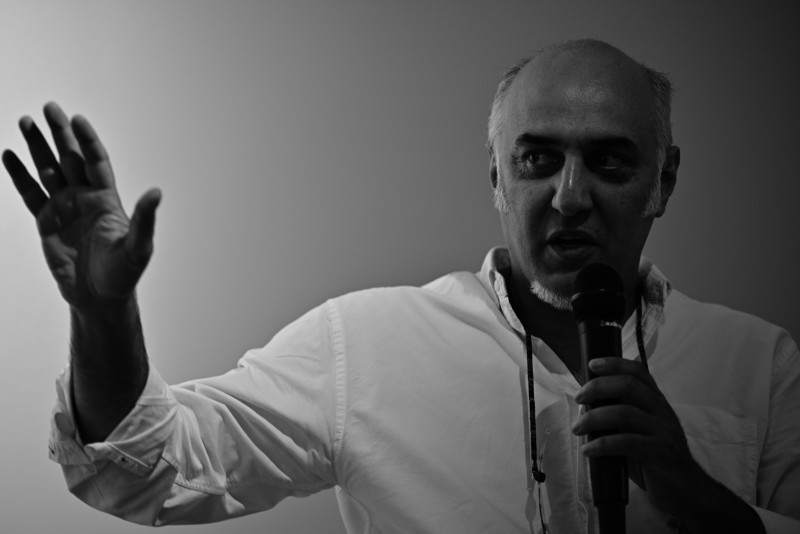
“When I decided to translate Iranian poetry, I chose works that had never been translated into Armenian before. The collection features post-revolutionary Iranian poets. At first, I shared my translations as Facebook posts — and to my surprise, they drew a lot of attention. Even for me, the book’s success was unexpected. I think one reason is the freshness of the form: short, concise Iranian poems that fit perfectly in the social media age. For me, it was both a linguistic and creative challenge — to preserve the Iranian spirit while keeping the Armenian translation natural and alive. Sometimes I deliberately broke language rules, and those ‘violations’ sparked great discussions.”
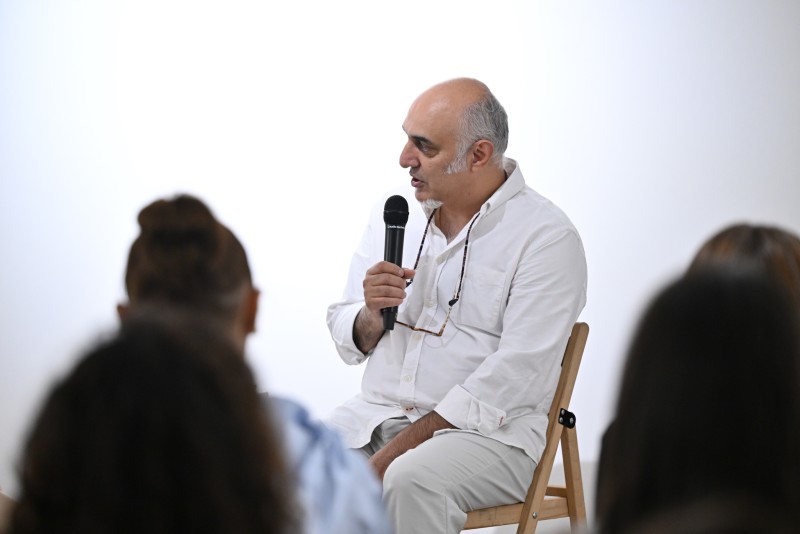
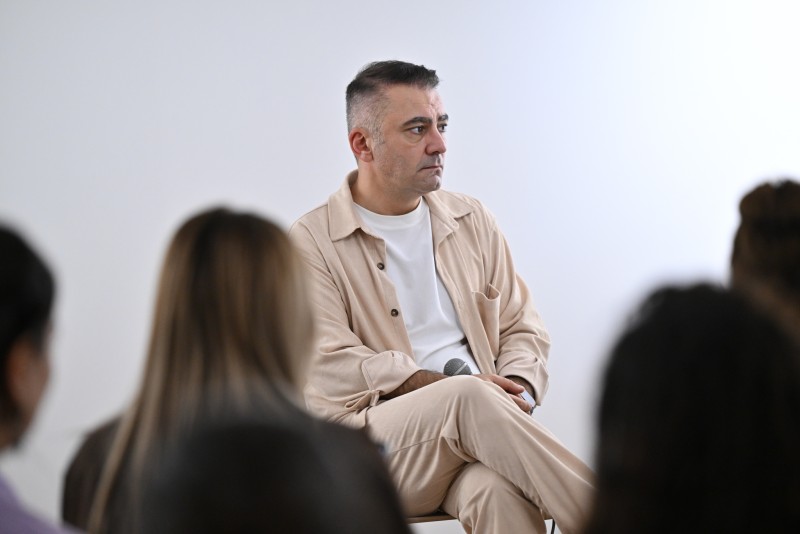
Artak Aleksanyan noted that many of the poems from the book later appeared as epigraphs or quotations in various novels — proof that they resonated with readers. Edik Poghosyan added that in some cases, the Armenian translation even sounds more beautiful than the original:
“While translating short Iranian poems, I realized how much power a single word — or even a conjunction like ‘but’ — can hold. Armenian is an incredibly flexible and expressive language. I often avoided literal translation, especially when it came to religious or proverbial expressions, choosing Armenian equivalents that carried the same spirit and depth.”

Poghosyan confirmed that there will be no sequel — no “Diary of a Waiting Man 2” — but said he continues to work on new translations.
“My second book, ‘Degrees According to Celsius,’ was more mature in both content and style. It tells the story of my life in Iran and Armenia, and in some sense, it continues what ‘Diary of a Waiting Man’ began. My upcoming book, ‘City Without Seas,’ is already translated but not yet edited. Given everything that has happened in recent years, I’m not quite ready to return to it.”
Speaking about Iranian culture, Poghosyan described it as highly diverse — ranging from sublime art to overtly propagandistic religious works.
“Even though Iran is a conservative country with restrictions, I was actually more creative there. When there are limitations, you constantly think of ways to overcome them. Constraints force flexibility and invention. In Armenia, freedom doesn’t always inspire that same sharpness. For example, after 2018, I stopped drawing satire — I realized I could no longer express what I wanted through it.”
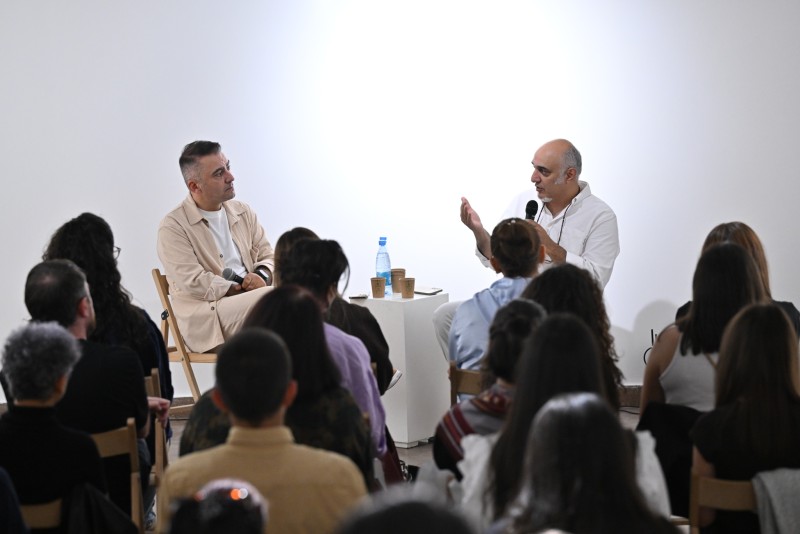

The author also addressed the question many readers had — what made him change his initial decision not to reprint the book:
“After the first release, I was hesitant to republish it because of the extreme polarization around it — some turned the poems into love messages or aphorisms, and there was also some baseless criticism. I was protective of the book. But over time, it began to be seen as what it truly is — a poetic journey through a small but profound part of Iranian literature. Ultimately, it was you — the readers — who convinced me to bring it back. I did it for the sake of poetry.”
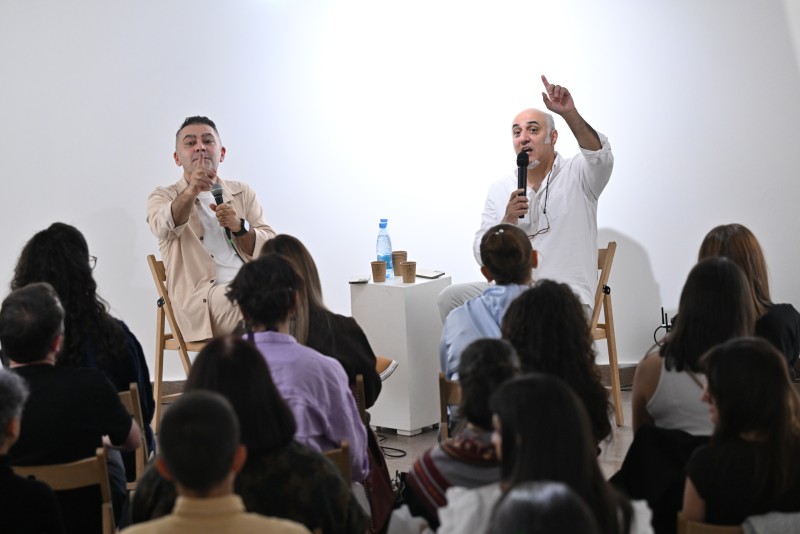
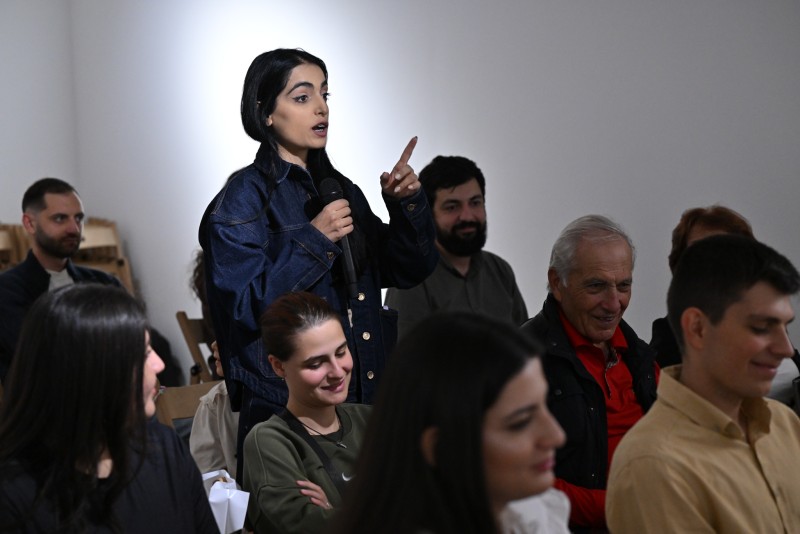
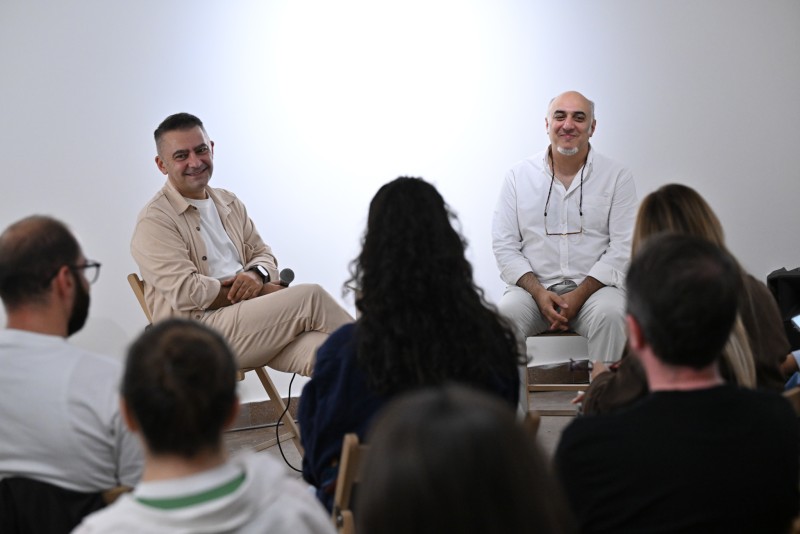
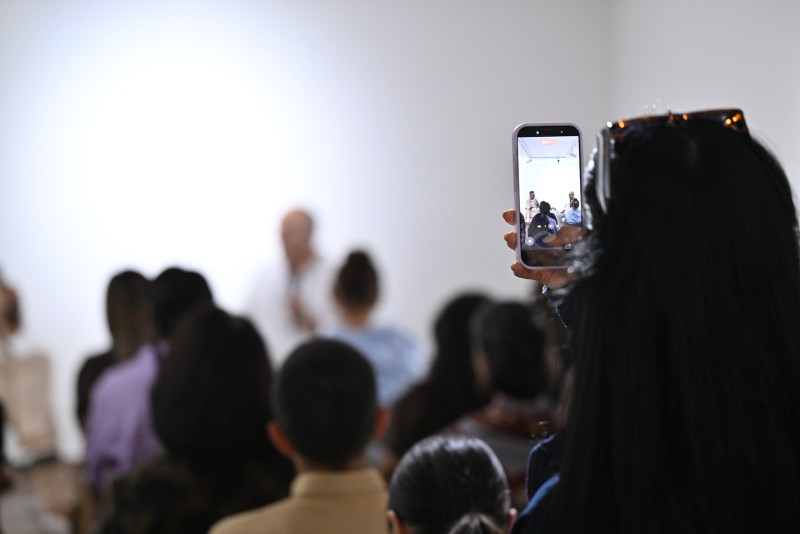
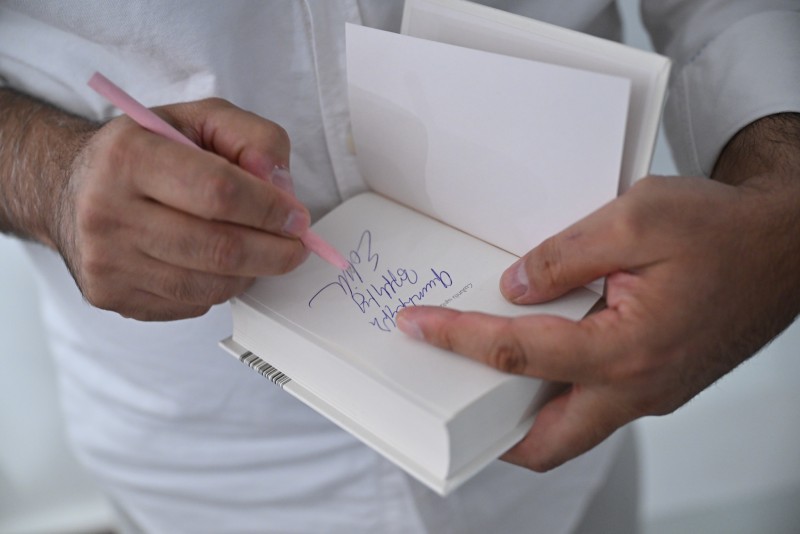
After the presentation, readers shared their emotions and memories from the book’s first release — how they connected with the poems, what feelings they evoked, and how eagerly they had awaited this new edition of “Diary of a Waiting Man.”
Share


Edik Poghosyan
4800 ֏
Description
The book “Diary of a Waiting Man” is a collection of contemporary Iranian poetry. The poems were translated by Edik Poghosyan. Translating contemporary Iranian poetry into Armenian has been Edik’s favorite pastime.
The book was first published in 2015 in a limited edition, limited to the number of days in a year: 365 plus 1. The book is small enough to be kept in a pocket as a daily diary. The inspiration for the book’s structure comes from the collection of poems by the 14th-century Iranian poet Hafez, which Iranians often use as a fortune-telling or daily advice. Anyone can open a random page of the book “Diary of a Waiting Man” and find their poem of the day.
After 10 years, the author has decided to republish the book. Taking into account the experience and responsibility of the years, it will be in a more polished language, with more mature editorial work, and again with 365 copies. The collection will be presented to the reader with a revised and newly edited, updated appearance.
Read also