
“The Skincare Bible”. What causes skin cancer and how to prevent the evil of the century
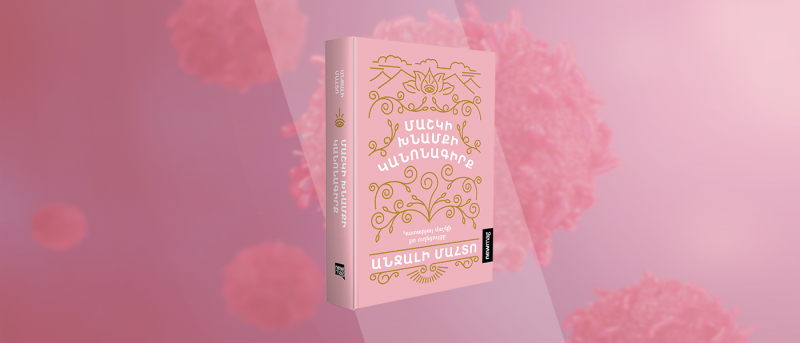
Many people don't use sunscreen on cloudy days. However, you can still get a sunburn even in the shade. Additionally, sunscreen has anti-aging benefits. The author of “The Skincare Bible” has a dedicated chapter in the book for this topic. There's another
Dr. Anjali Mahto, the author of “The Skincare Bible”, talks extensively about skin cancer. According to her, dermatologists emphasize the importance of addressing skin cancer, highlighting that one's health should never be overlooked. In the UK, the cases of skin cancer have significantly increased, rising by approximately 360 percent since the 1970s.
What explains this increase in skin cancer cases? Since the 1970s, international travel and vacations in coastal destinations have become more accessible. Sunbathing and tanning beds have gained widespread popularity. Additionally, the ongoing depletion of the ozone layer in the atmosphere compounds the problem. These factors collectively contribute to an elevated risk of cancer. To prevent skin cancer, it is crucial to begin by limiting your exposure to the sun's ultraviolet rays. This is an essential step to always keep in mind.
There are three primary types of skin cancer: melanoma, basal cell carcinoma, and squamous cell carcinoma. In the UK, melanoma ranks as the fifth most common cancer type. It originates from melanocytes in the skin and can develop as a new mole on the skin or from an existing one.
The primary cause of melanoma is exposure to ultraviolet light, often from tanning beds. Risk factors include having light skin color, experiencing multiple sunburns, a family history of melanoma, a weakened immune system, and the presence of moles.
Melanoma is particularly dangerous because of its capacity to metastasize to other organs, including the liver, lungs, bones, or brain, which can ultimately lead to death. Fortunately, the majority of melanomas are identified early in the disease, before they have had a chance to spread.
In the UK, there is no national melanoma screening program. However, it's essential to seek prompt medical attention when you notice signs of this disease. If a mole appears asymmetric, with one half differing from the other, if its border is irregular, uneven, or unclear, if it displays uneven coloring or multiple shades, if its diameter exceeds 6 mm, or if there are noticeable changes in its size, shape, or color, it's crucial to consult a dermatologist immediately. The most effective means of lowering the risk of cancer is by protecting the skin from the sun. This precaution becomes especially crucial when risk factors are present, such as having light skin color, a family history of skin cancer, or multiple moles.
Share


Read also